
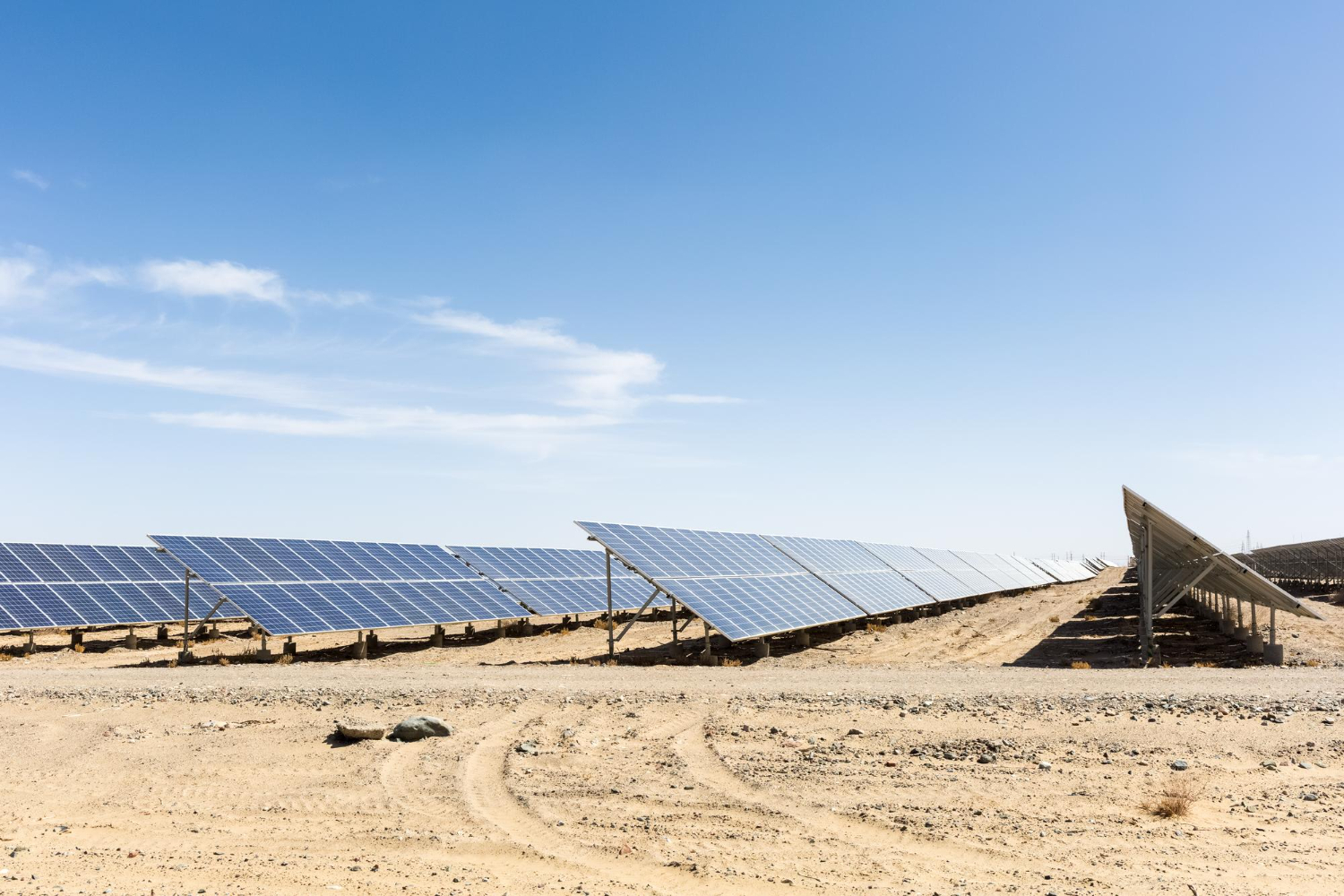
Africa’s energy transition is often framed as a financing challenge. While capital remains essential, it cannot compensate for weak governance, poor stakeholder engagement or businesses that fail to earn public trust. ESG is no longer a corporate buzzword; it is becoming a strategic advantage for African energy companies seeking to attract investment and deliver sustainable growth.

Deloitte's Bridging the Climate Finance Gap report (January 2026) flags a critical figure: $472 billion, the maximum annual sum Article 6-enabled, harmonised carbon markets could deliver by 2035.

The WEF's June 2026 report identifies five tailwinds and five headwinds shaping the Regenerative Blue Economy. For Africa, the message is urgent: today's choices could unlock trillion-dollar regenerative industries, or entrench decline for ecosystems supporting hundreds of millions.
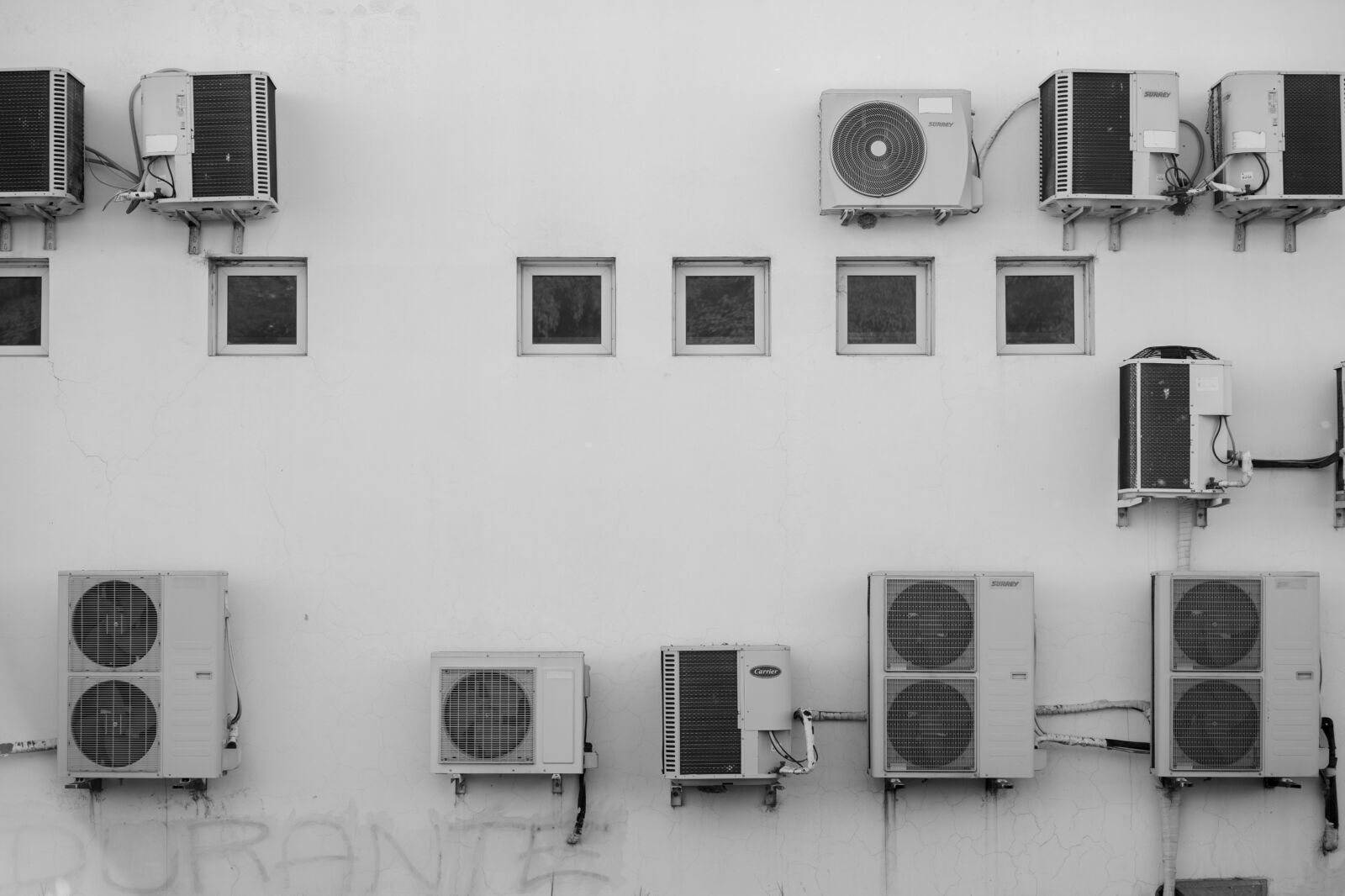
Over 600 million Africans live in cities facing rising temperatures, rapid urbanisation, and strained electricity grids. Growing demand for cooling is driving a surge in individual air conditioners, worsening peak-load stress, urban heat islands, and household energy costs.
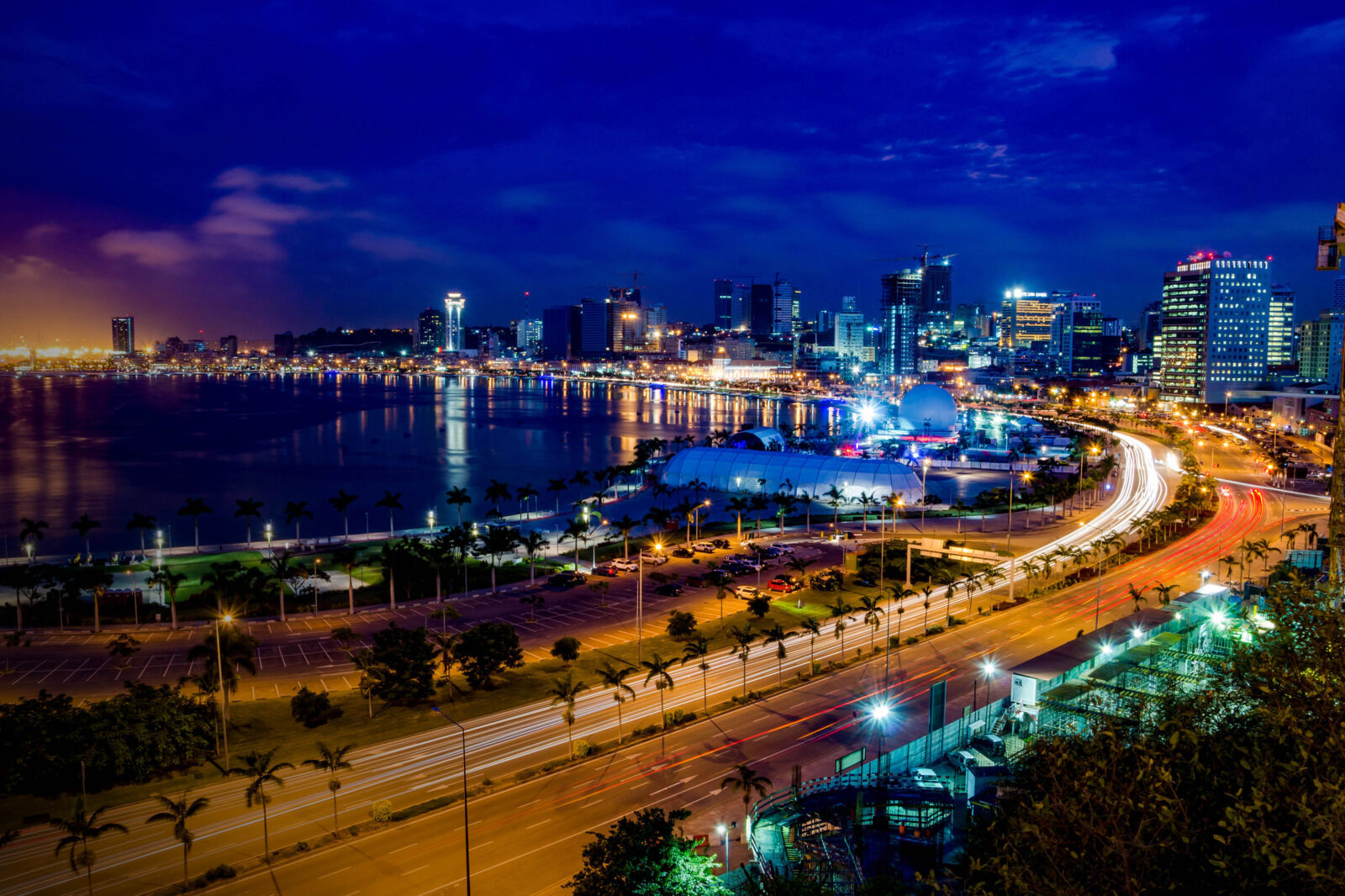
Africa’s climate and development story is still too often framed elsewhere, through crisis, compliance and risk, while African evidence, innovators and communities remain supporting characters.

Global business has not retreated from sustainability: 92% of leaders expect competitive advantage, while 89% maintained or increased climate-related investment.