From January 2026, Nigeria’s tax overhaul exempts dividends distributed by authorised collective investment schemes, provides trustees with clearer computation rules, and preserves conditional relief for real estate investment companies.

China’s role in Africa is diversifying beyond sovereign lending and landmark infrastructure. But roads, ports and retail networks do not automatically become industrial capacity, better jobs or stronger local firms.
At UNILAG, Sahara Power Group chief Kola Adesina told more than 2,500 students that effort can launch a venture, but only value, financial discipline, systems, character and adaptability can make it endure.

FinPolNomics presents a simple leadership equation: the CEO chooses the destination, the COO builds the route, and the CFO ensures the journey can be funded.

FinPolNomics highlights a costly misconception that CIP and CIF both include carriage and insurance; however, they transfer risk at origin and require different modes of transport and insurance standards.

New TNFD guidance asks alternative-fuel producers, buyers and users to measure what climate narratives often miss: land conversion, water stress, pollution, traceability and community impacts.

Companies are buying technology, talent and market position to compress years of innovation into a single transaction. With deal activity rising and artificial intelligence shortening product cycles, speed has become a strategic asset.

Africa may need 1.5 – 2.2 GW of data-centre capacity by 2030. However, IBTC warns that the construction pace is outrunning the workforce needed to keep facilities safe, efficient and online.

Nigeria has accumulated billions of dollars in energy commitments as final demand, industrial gas use and transport alternatives expand.
A Cambridge framework proposes changing how banks assess climate-exposed borrowers by integrating physical hazards, insurance adequacy and adaptation investment into default and recovery estimates.

NatureHelm and New Forests have tested seven draft Nature Positive Initiative metrics across a land-based investment portfolio, asking whether biodiversity can be measured consistently enough for TNFD-aligned decisions.
Global M&A generated an estimated $1.3 trillion in Q2 2026; however, 34 megadeals accounted for about 42% of that value while overall transaction numbers barely moved.

The African Development Bank approved a record UA746.4 million through results-based financing in 2025, backing seven programmes across six countries and four sectors.
A WBCSD case study estimates that Weir Group technologies could avoid 89,791 tonnes of CO₂-equivalent emissions when processing 15 million tonnes of copper ore in Chile.

Nigeria reduced recorded crude losses from 37.6 million barrels in 2021 to about two million by July 2025, yet production remains well below its historic peak.

Airport concession agreements quietly determine what passengers can buy, what they pay and how much non-aeronautical revenue an airport earns.

A new African Development Bank-hosted facility has mobilised nearly €168 million to finance climate-aligned infrastructure and confront the economic and environmental pressures behind displacement.
Corporate sustainability is moving from ambitious commitments to narrower execution, but companies are demanding more delivery while budgets, leadership support and organisational capacity remain constrained.

Profitable companies still collapse when they cannot pay suppliers or service debt. FinPolNomics' new framework argues that cash flow is not luck; it is a deliberate wheel of four levers: generate, preserve, structure and deploy.

Africa could produce 57% more electricity in 2030 than it did in 2023, supported by hundreds of planned and under-construction power plants. The expansion could improve access, industrial productivity and economic resilience.

Most companies claim to have a risk register. Few can prove it changes anything. FinPolNomics' new framework argues that a real register links objectives, root causes, controls and owners into a single living decision tool.

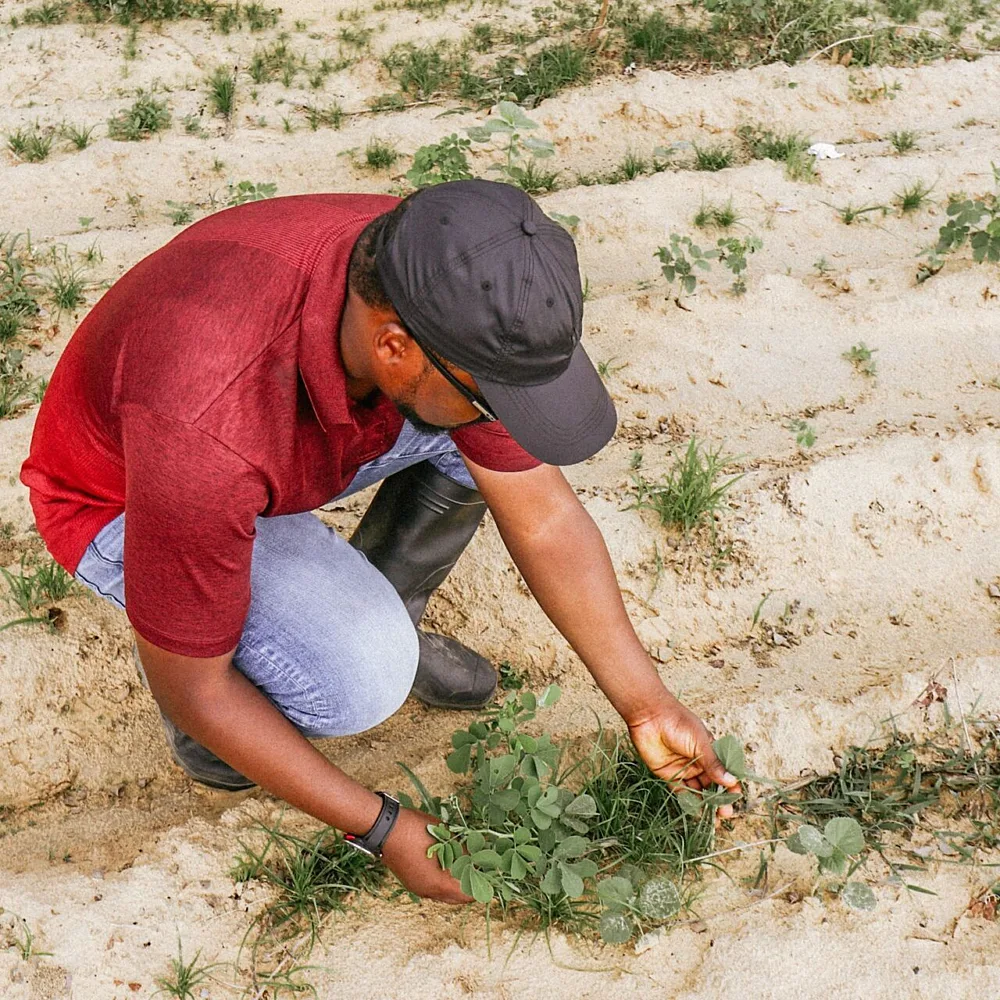
New multi-country evidence links timely pest alerts with stronger farm performance, including greater adoption of integrated pest management, improved crop yields and increased incomes among smallholders in Ghana, Kenya and Malawi.
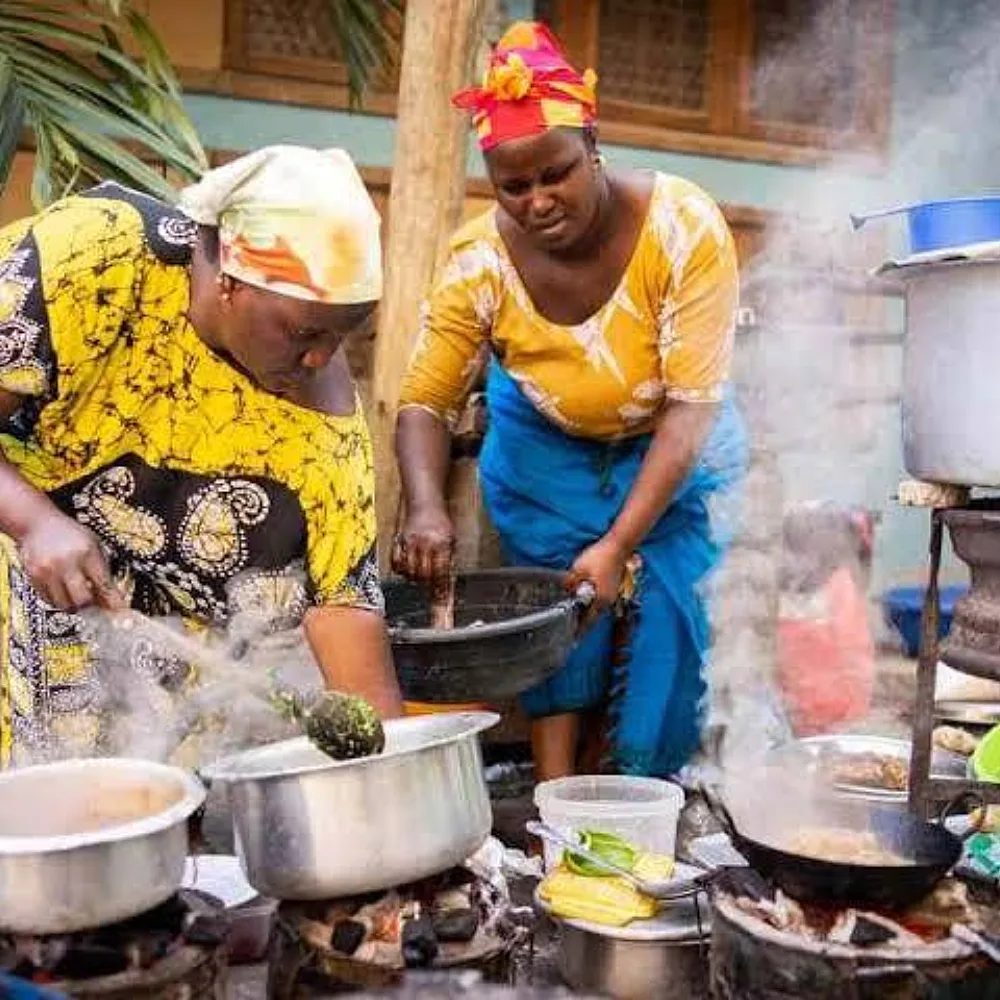
The Gambia’s gender-transformative renewable energy roadmap argues that clean power will not deliver inclusive growth while women remain concentrated in unpaid energy work and low-margin businesses.
Nigeria has between 12,000 and 14,000 MW of installed electricity capacity; however, actual generation rarely tops 5,500 MW, leaving Africa's most populous nation running its power system at roughly a third of potential.
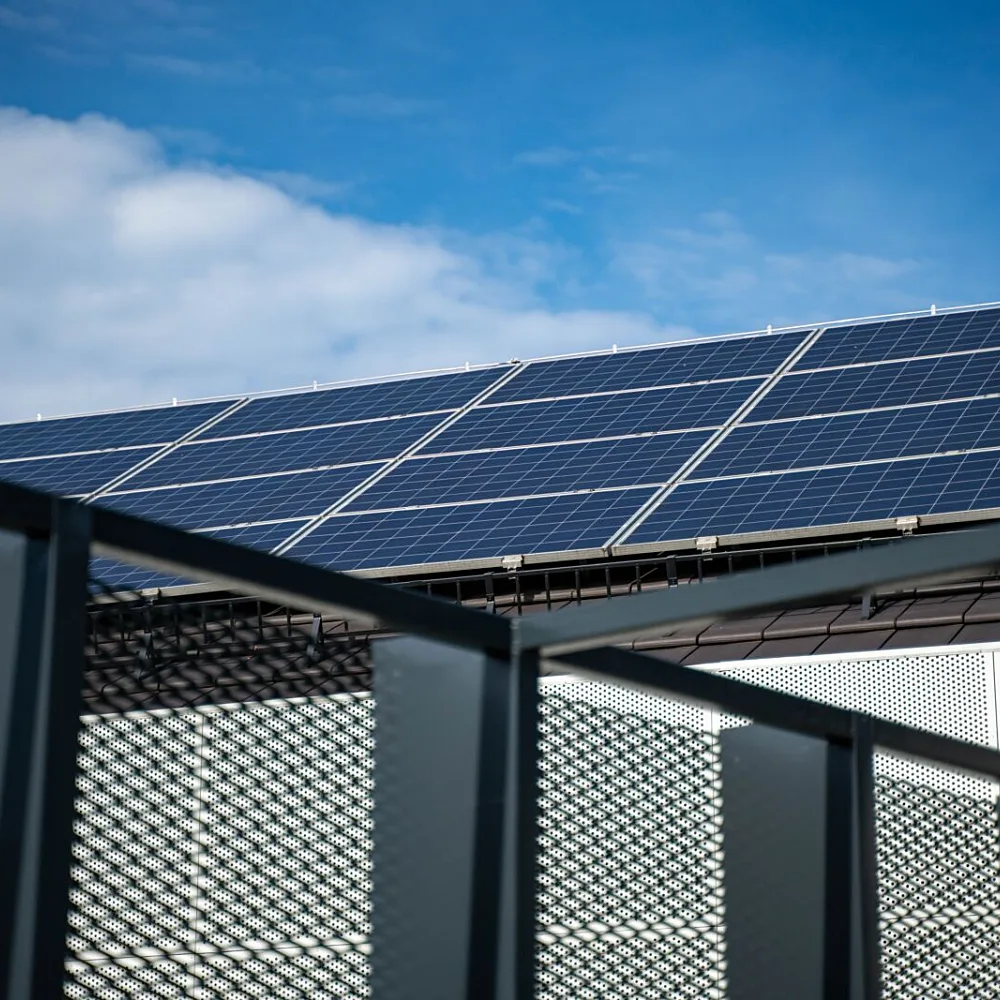

From January 2026, Nigeria’s tax overhaul exempts dividends distributed by authorised collective investment schemes, provides trustees with clearer computation rules, and preserves conditional relief for real estate investment companies.
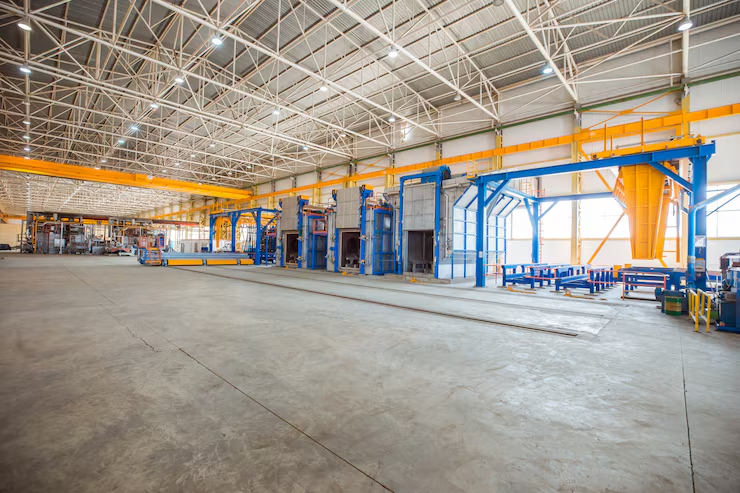
China’s role in Africa is diversifying beyond sovereign lending and landmark infrastructure. But roads, ports and retail networks do not automatically become industrial capacity, better jobs or stronger local firms.

At UNILAG, Sahara Power Group chief Kola Adesina told more than 2,500 students that effort can launch a venture, but only value, financial discipline, systems, character and adaptability can make it endure.

FinPolNomics presents a simple leadership equation: the CEO chooses the destination, the COO builds the route, and the CFO ensures the journey can be funded.

FinPolNomics highlights a costly misconception that CIP and CIF both include carriage and insurance; however, they transfer risk at origin and require different modes of transport and insurance standards.

New TNFD guidance asks alternative-fuel producers, buyers and users to measure what climate narratives often miss: land conversion, water stress, pollution, traceability and community impacts.

Companies are buying technology, talent and market position to compress years of innovation into a single transaction. With deal activity rising and artificial intelligence shortening product cycles, speed has become a strategic asset.

Africa may need 1.5 – 2.2 GW of data-centre capacity by 2030. However, IBTC warns that the construction pace is outrunning the workforce needed to keep facilities safe, efficient and online.

Summary and evidence-based insights into corporate, government, and organisational sustainability disclosures across Africa, highlighting achievements, uncovering gaps, and spotlight opportunities for progress.