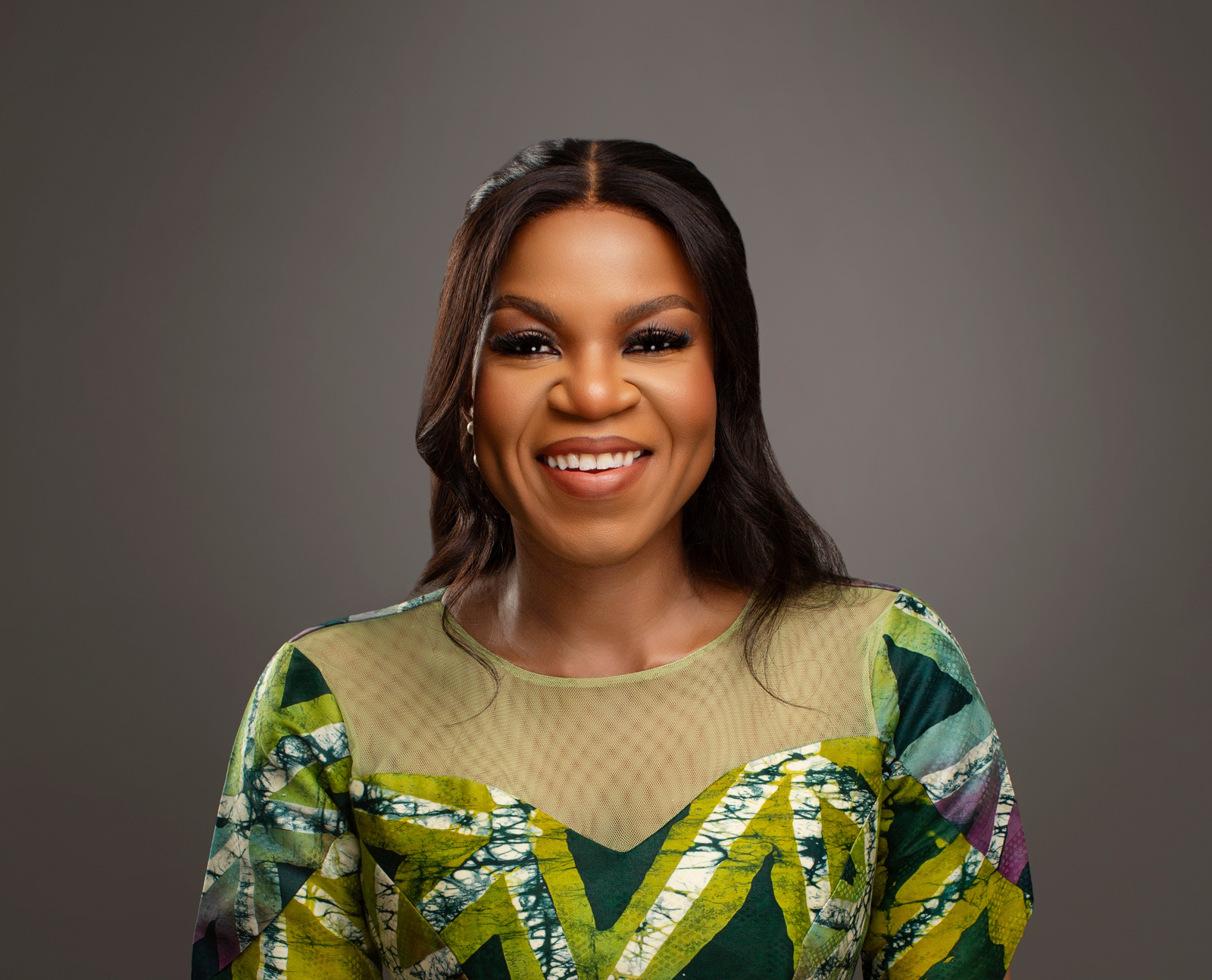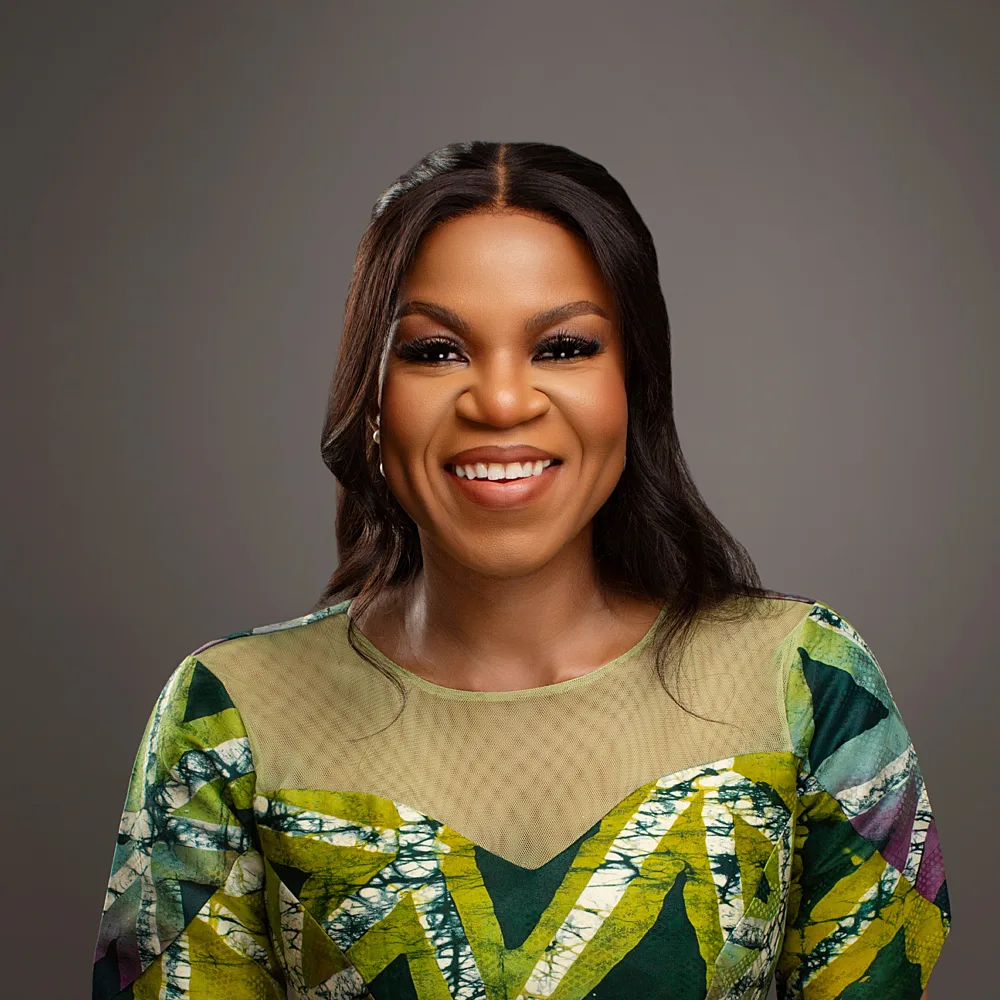
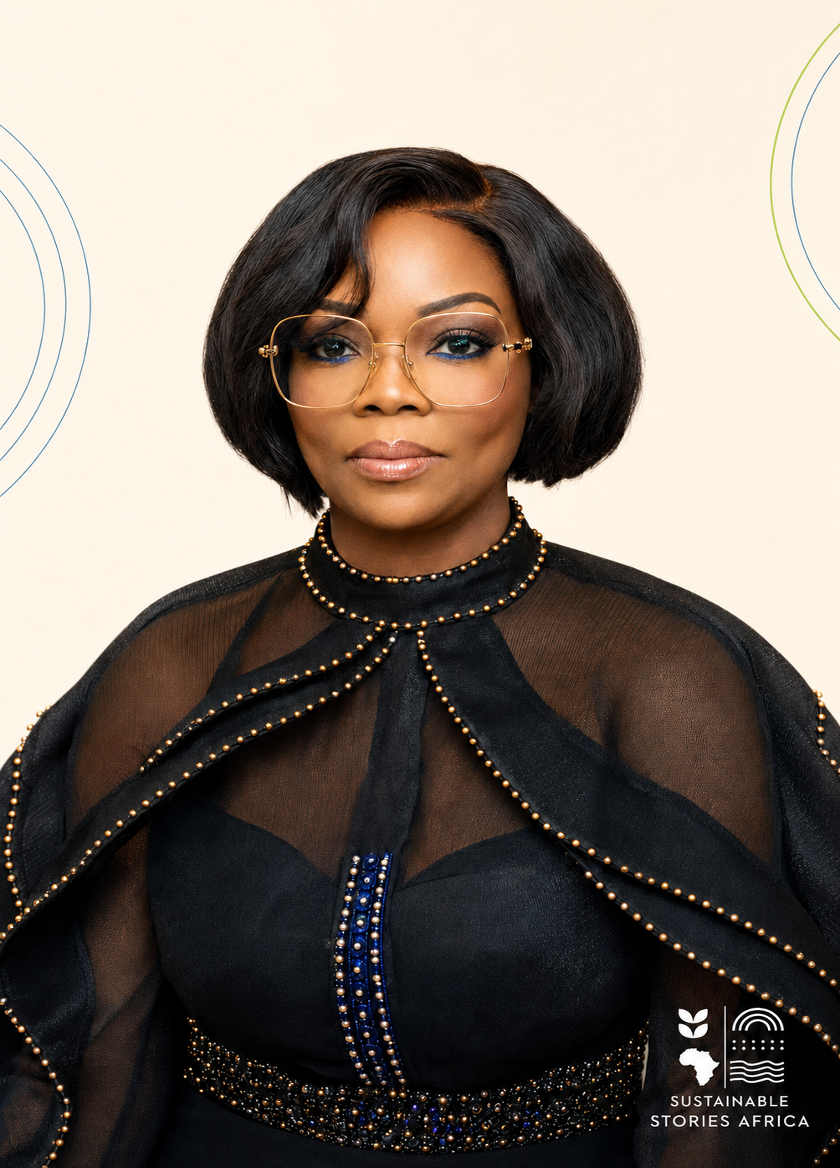
She arrived to fix a station's books and stayed to rewrite its identity. Adedoja Allen, the first woman to lead a Nigerian electronic media platform, turned a debt-ridden broadcaster into Lagos's number one lifestyle station.
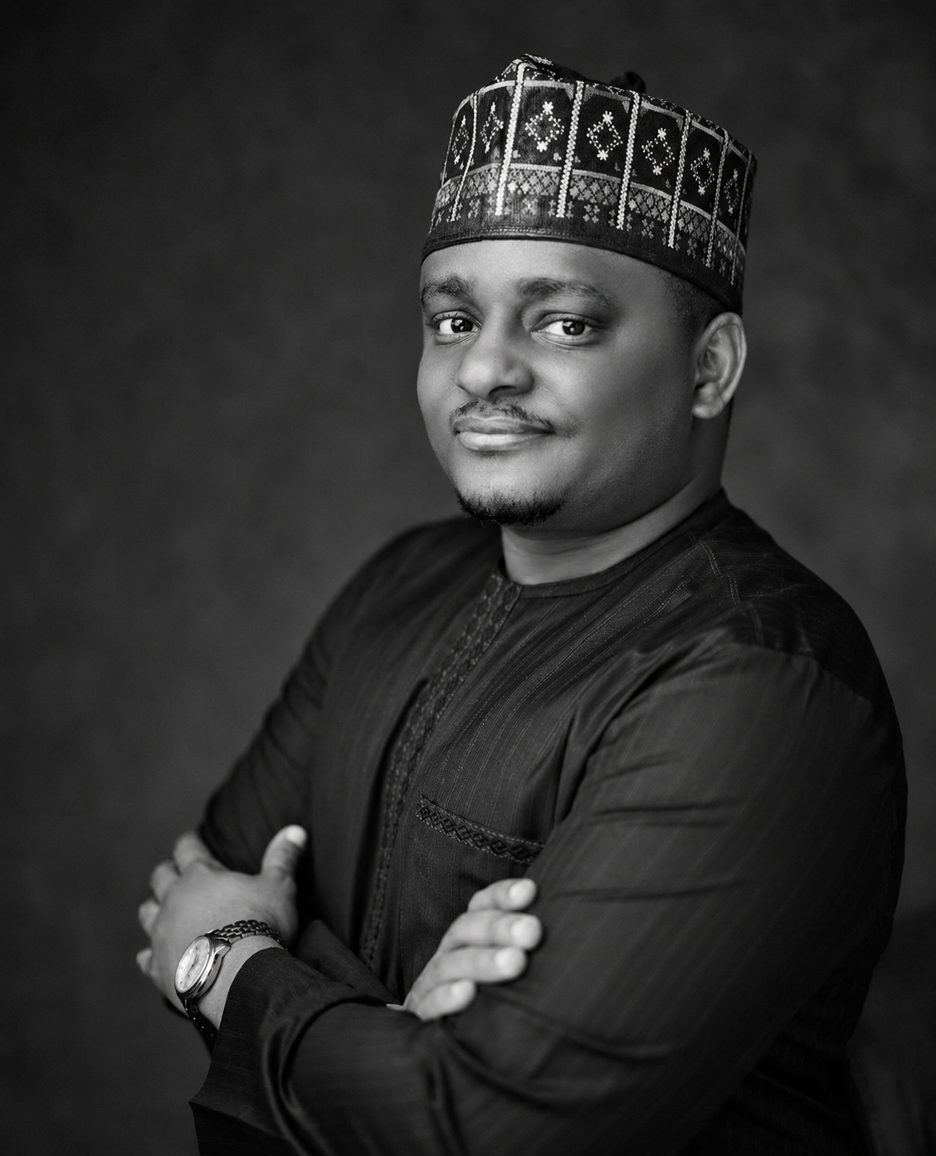
Nigeria needs roughly ten times its current annual power-sector investment to close its electricity gap and support industry, Sadiq Wanka said.
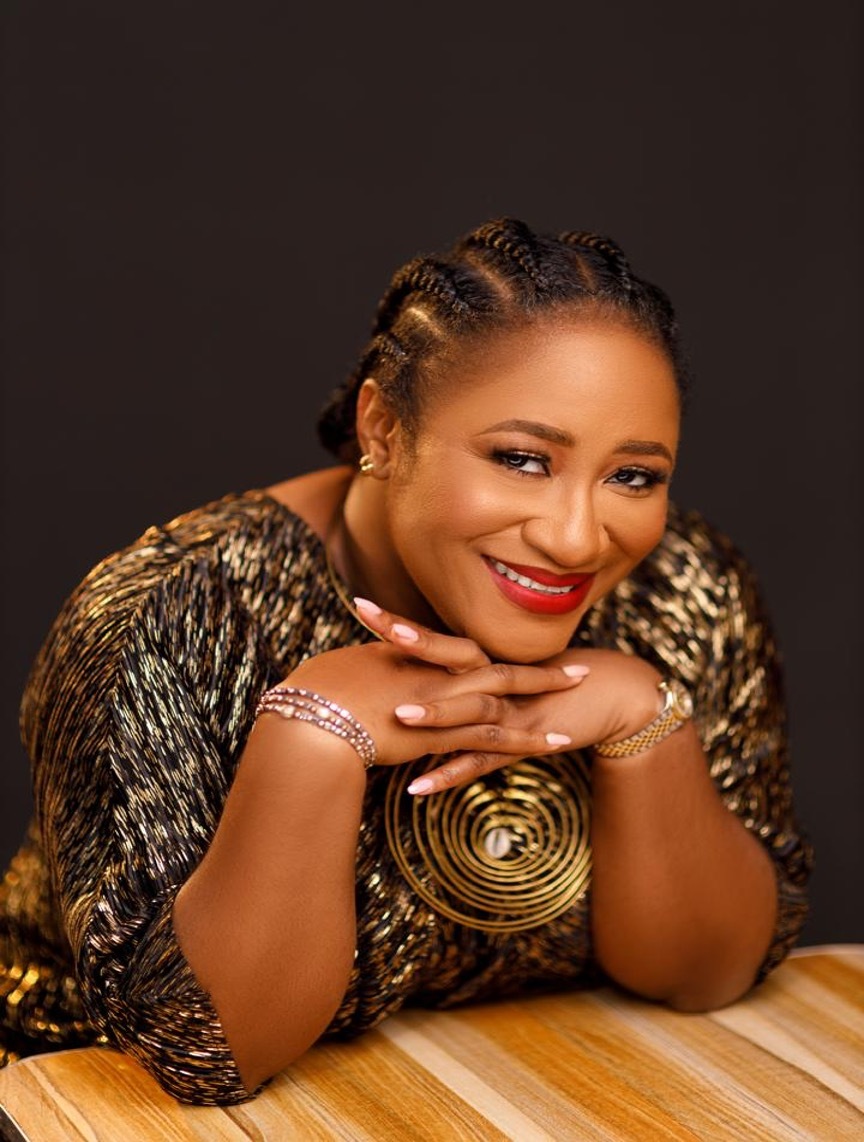
Sahara Group has urged African journalists to test imported assumptions and explain the trade-offs shaping the continent's energy transition.

African companies cannot report their way into resilience. Sustainability must shape purpose, risk, governance, culture and capital allocation before it appears in an ESG document.
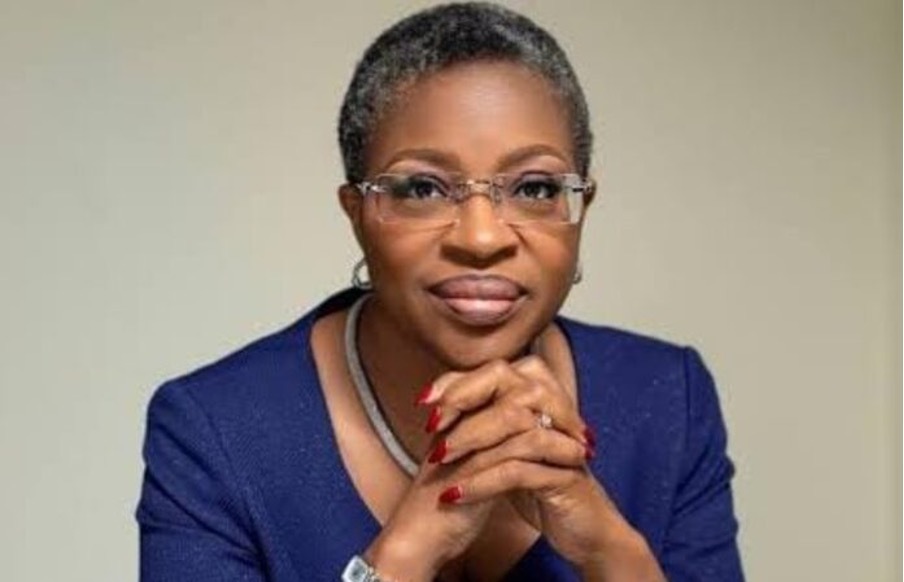
She studied English before she studied law, and somewhere between those two disciplines, Oyinkansola Badejo-Okusanya learned the value of a story well told and a case well argued.
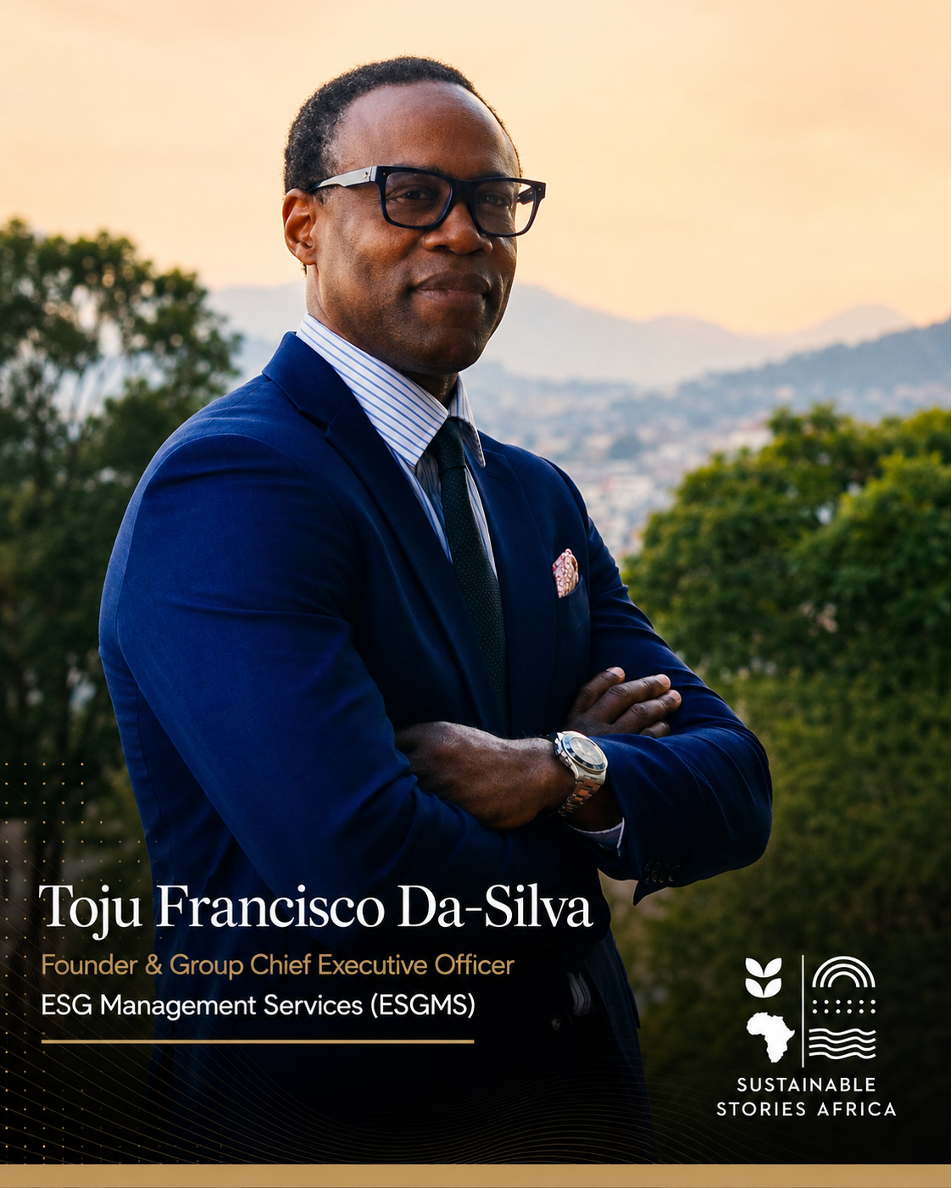
In a Fitzrovia boardroom and across five African capitals, one man has spent thirty years learning that governance is never abstract; it is the difference between a community that thrives and one left waiting.
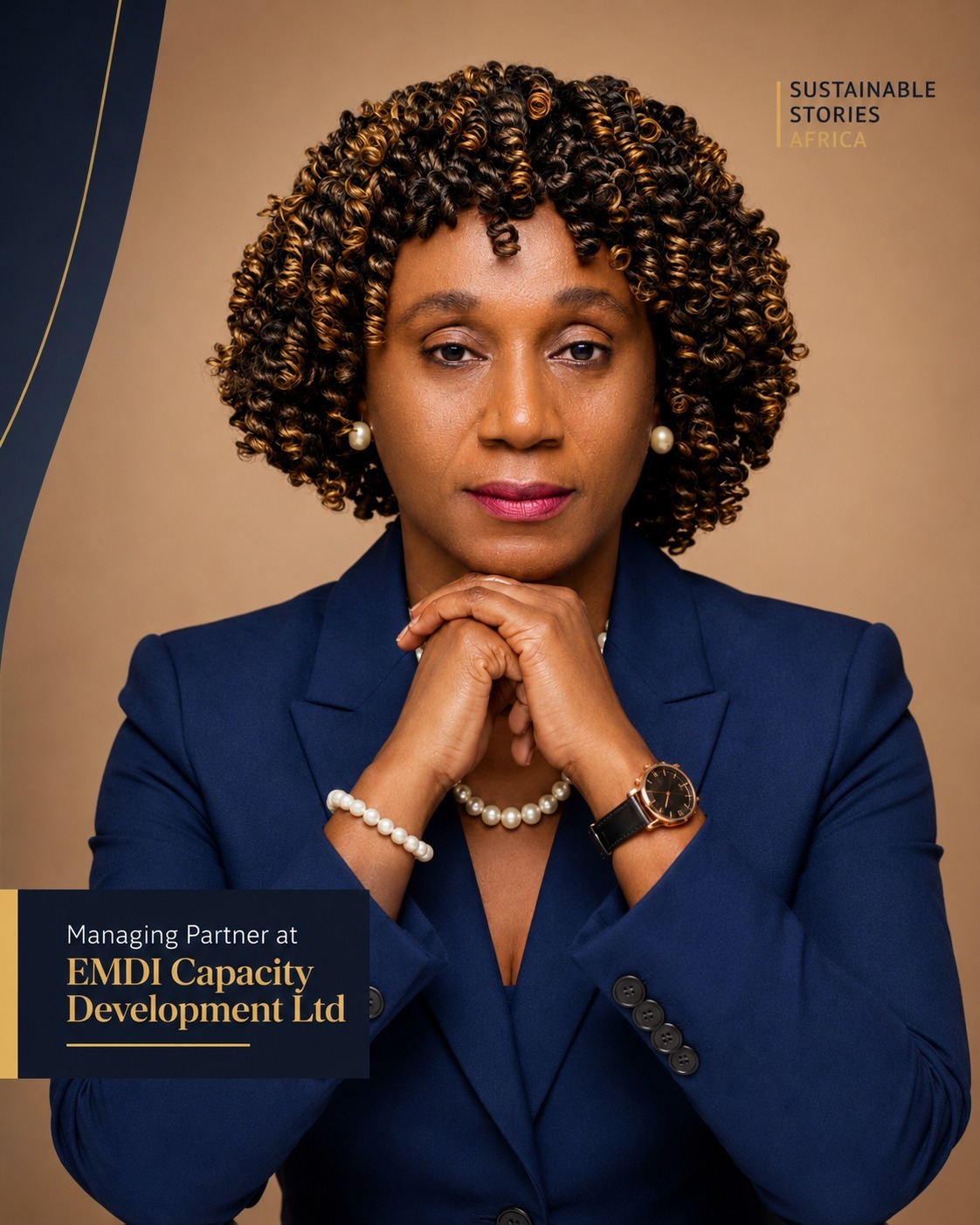
Bukola Ifemade, the actuarial scientist turned systemic reformer, is building the insurance infrastructure that could make Nigeria's economy unbreakable. One policy, one family, one community at a time.
The January 2026 update of the Global Financial Safety Net Tracker, a co-production of Boston University's Global Development Policy Centre, Freie Universität Berlin, UNCTAD, and Hochschule für Technik und Wirtschaft Berlin, is the most detailed map ever produced of the world's crisis finance resources.
Global finance has found a new metric, avoided emissions, to price the value of decarbonization technologies as real options rather than sunk costs.
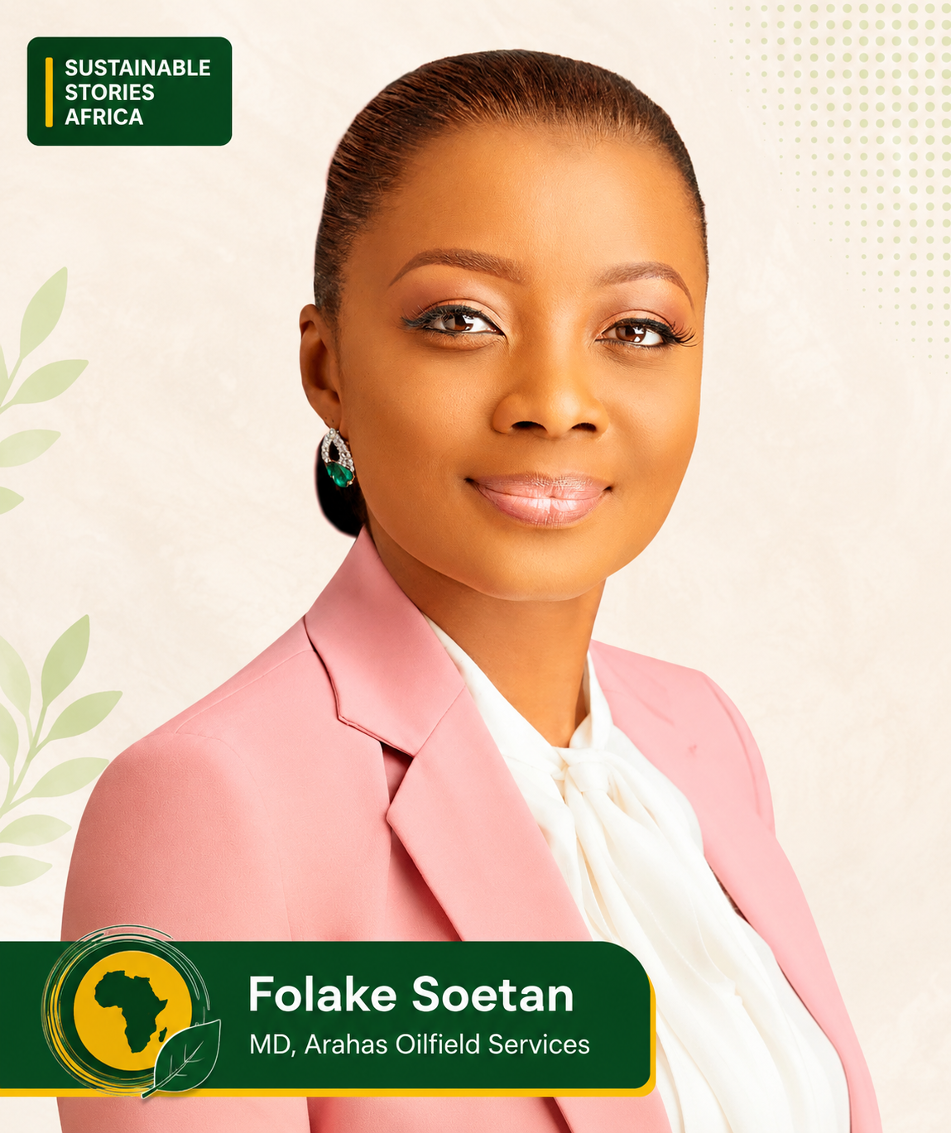
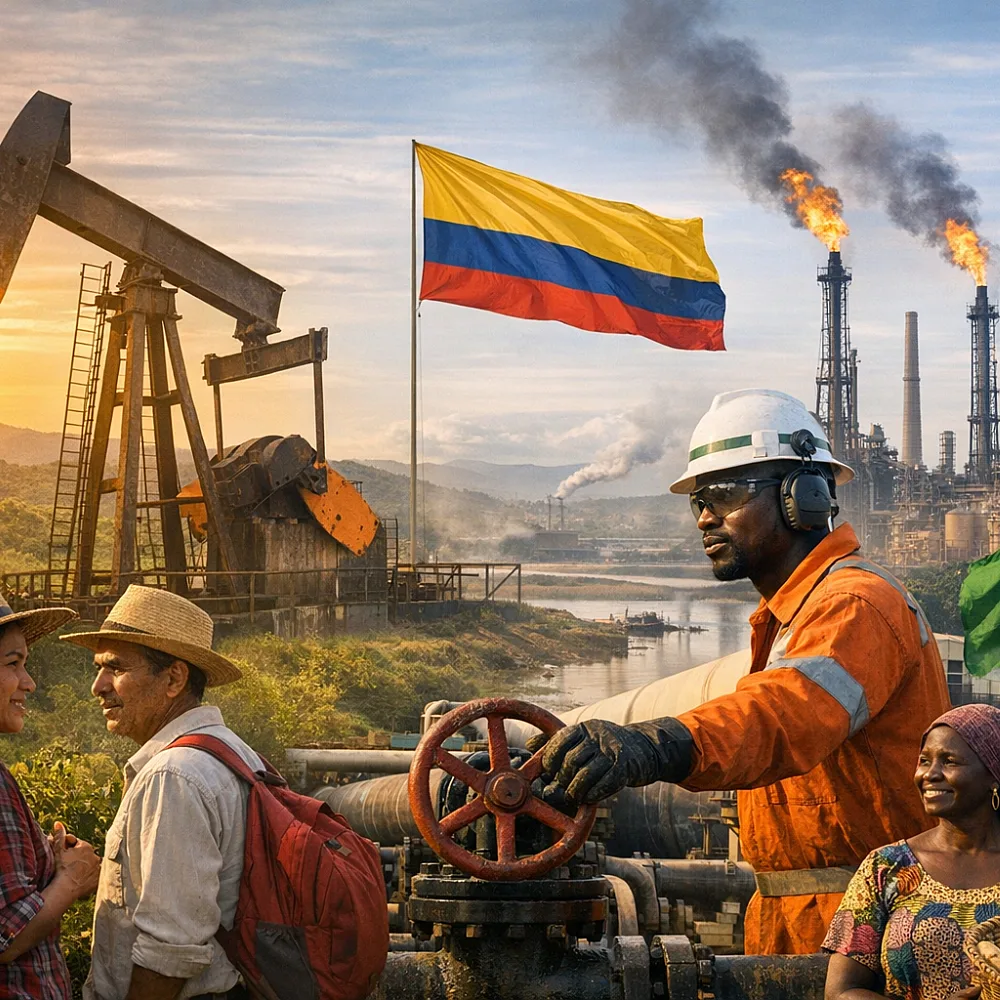
Folake Soetan began her career answering phones for an airline. Twenty-six years later, she leads one of Africa's boldest experiments in integrated energy leadership, bridging oilfields and power grids under one vision.
She arrived to fix a station's books and stayed to rewrite its identity. Adedoja Allen, the first woman to lead a Nigerian electronic media platform, turned a debt-ridden broadcaster into Lagos's number one lifestyle station.
Nigeria needs roughly ten times its current annual power-sector investment to close its electricity gap and support industry, Sadiq Wanka said.
Sahara Group has urged African journalists to test imported assumptions and explain the trade-offs shaping the continent's energy transition.
African companies cannot report their way into resilience. Sustainability must shape purpose, risk, governance, culture and capital allocation before it appears in an ESG document.
She studied English before she studied law, and somewhere between those two disciplines, Oyinkansola Badejo-Okusanya learned the value of a story well told and a case well argued.
In a Fitzrovia boardroom and across five African capitals, one man has spent thirty years learning that governance is never abstract; it is the difference between a community that thrives and one left waiting.
Bukola Ifemade, the actuarial scientist turned systemic reformer, is building the insurance infrastructure that could make Nigeria's economy unbreakable. One policy, one family, one community at a time.
The January 2026 update of the Global Financial Safety Net Tracker, a co-production of Boston University's Global Development Policy Centre, Freie Universität Berlin, UNCTAD, and Hochschule für Technik und Wirtschaft Berlin, is the most detailed map ever produced of the world's crisis finance resources.
Global finance has found a new metric, avoided emissions, to price the value of decarbonization technologies as real options rather than sunk costs.
Folake Soetan began her career answering phones for an airline. Twenty-six years later, she leads one of Africa's boldest experiments in integrated energy leadership, bridging oilfields and power grids under one vision.
The global private equity market is not waiting for Africa to prepare. KPMG’s data shows capital moving toward energy, infrastructure and AI-enabling systems, even in a selective deal environment.
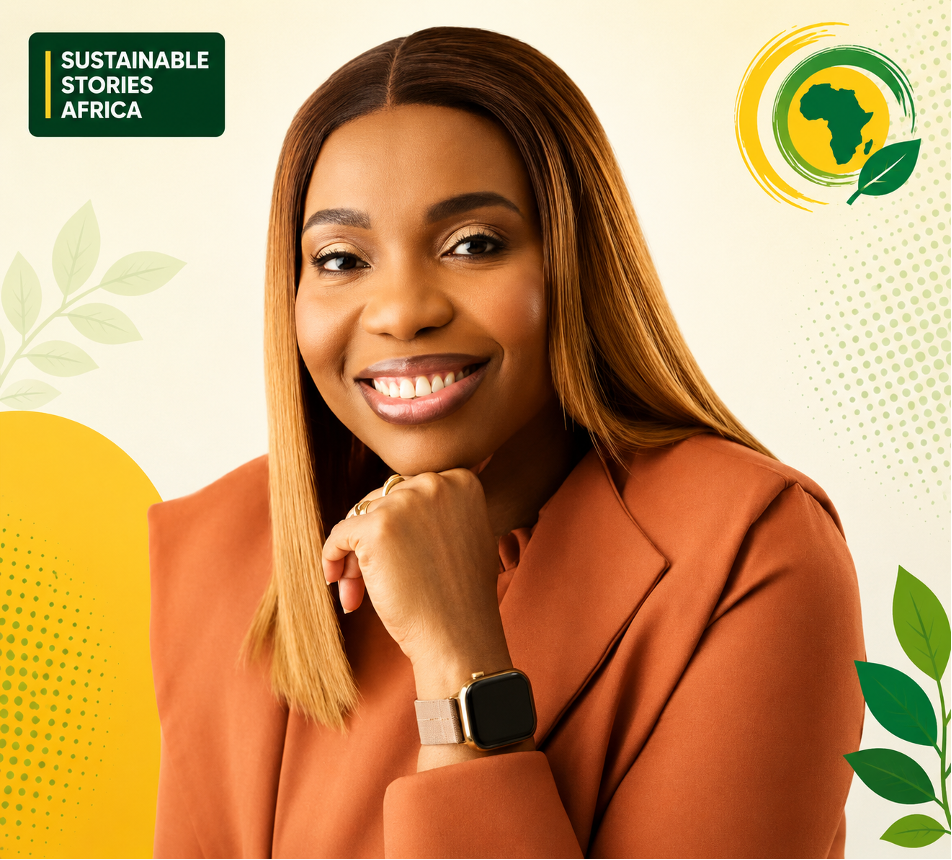
On July’s first morning, as Lagos stirs to life, Mrs Ogochukwu Onyelucheya steps into one of Nigeria’s most demanding jobs: Acting CEO of Ikeja Electric, the country’s largest electricity distributor by customer base.
She arrived to fix a station's books and stayed to rewrite its identity. Adedoja Allen, the first woman to lead a Nigerian electronic media platform, turned a debt-ridden broadcaster into Lagos's number one lifestyle station.
Nigeria needs roughly ten times its current annual power-sector investment to close its electricity gap and support industry, Sadiq Wanka said.
Sahara Group has urged African journalists to test imported assumptions and explain the trade-offs shaping the continent's energy transition.
African companies cannot report their way into resilience. Sustainability must shape purpose, risk, governance, culture and capital allocation before it appears in an ESG document.
She studied English before she studied law, and somewhere between those two disciplines, Oyinkansola Badejo-Okusanya learned the value of a story well told and a case well argued.
In a Fitzrovia boardroom and across five African capitals, one man has spent thirty years learning that governance is never abstract; it is the difference between a community that thrives and one left waiting.
Bukola Ifemade, the actuarial scientist turned systemic reformer, is building the insurance infrastructure that could make Nigeria's economy unbreakable. One policy, one family, one community at a time.
The January 2026 update of the Global Financial Safety Net Tracker, a co-production of Boston University's Global Development Policy Centre, Freie Universität Berlin, UNCTAD, and Hochschule für Technik und Wirtschaft Berlin, is the most detailed map ever produced of the world's crisis finance resources.
Global finance has found a new metric, avoided emissions, to price the value of decarbonization technologies as real options rather than sunk costs.
Folake Soetan began her career answering phones for an airline. Twenty-six years later, she leads one of Africa's boldest experiments in integrated energy leadership, bridging oilfields and power grids under one vision.
The global private equity market is not waiting for Africa to prepare. KPMG’s data shows capital moving toward energy, infrastructure and AI-enabling systems, even in a selective deal environment.
On July’s first morning, as Lagos stirs to life, Mrs Ogochukwu Onyelucheya steps into one of Nigeria’s most demanding jobs: Acting CEO of Ikeja Electric, the country’s largest electricity distributor by customer base.
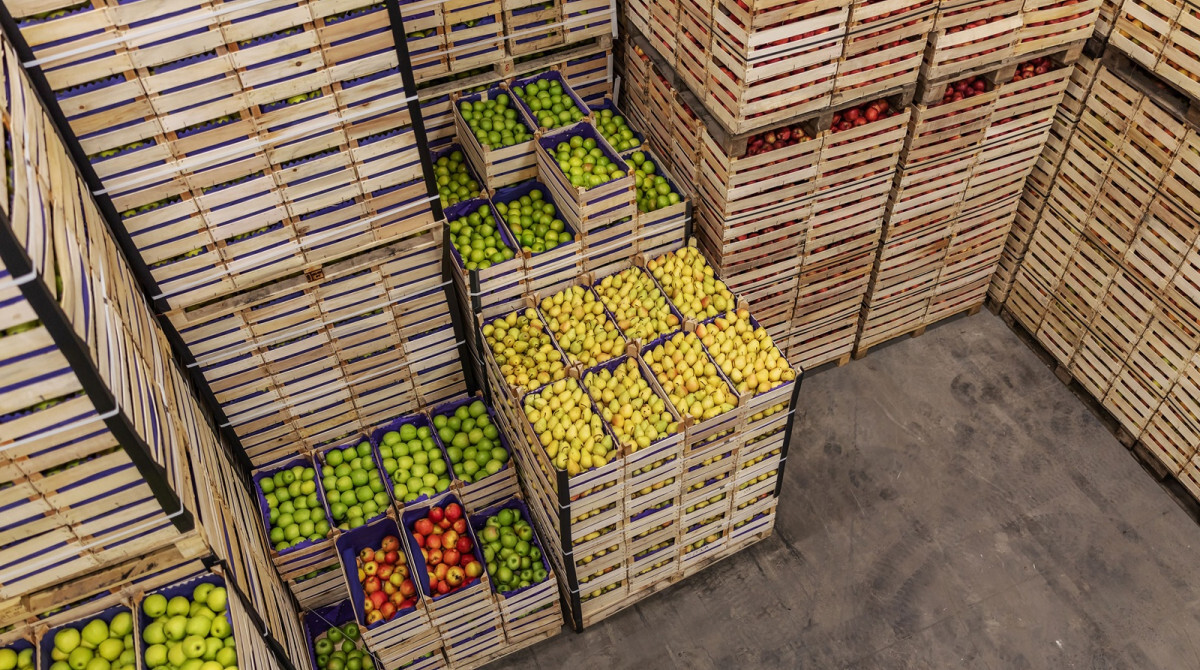
Cold chain systems are not simply a technical fix. They are a lifeline for food security, public health, and climate resilience.

ESG is more than compliance. It’s a lens for evaluating progress, risk, opportunity and most critically, legitimacy. We created SSAL with a clear conviction: Africa’s sustainable future must be told by Africans - authentically, accurately, and ambitiously.
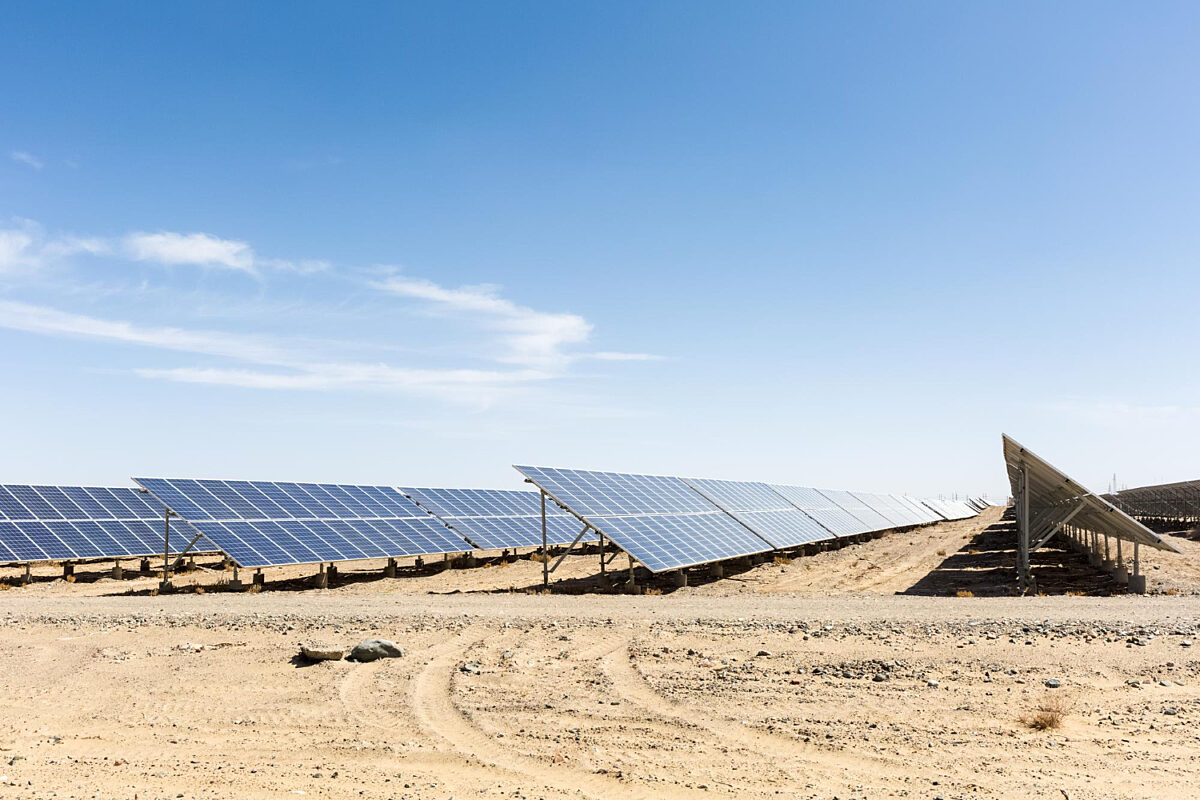
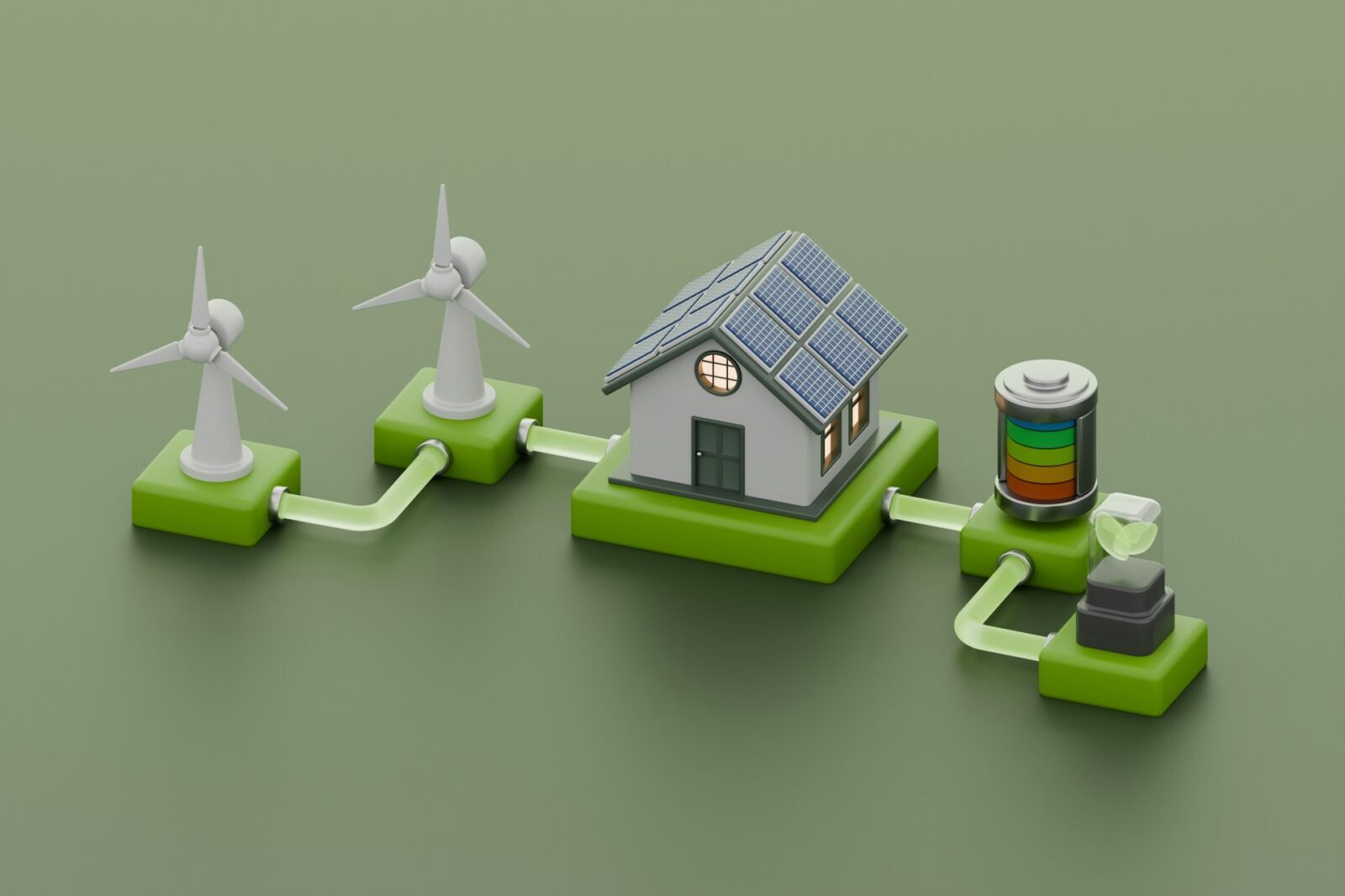
Africa’s energy transition is often framed as a financing challenge. While capital remains essential, it cannot compensate for weak governance, poor stakeholder engagement or businesses that fail to earn public trust. ESG is no longer a corporate buzzword; it is becoming a strategic advantage for African energy companies seeking to attract investment and deliver sustainable growth.
by Florence Osanyintuyi
Deloitte's Bridging the Climate Finance Gap report (January 2026) flags a critical figure: $472 billion, the maximum annual sum Article 6-enabled, harmonised carbon markets could deliver by 2035.
by Sustainable Stories Africa
The WEF's June 2026 report identifies five tailwinds and five headwinds shaping the Regenerative Blue Economy. For Africa, the message is urgent: today's choices could unlock trillion-dollar regenerative industries, or entrench decline for ecosystems supporting hundreds of millions.
by Sustainable Stories Africa
Over 600 million Africans live in cities facing rising temperatures, rapid urbanisation, and strained electricity grids. Growing demand for cooling is driving a surge in individual air conditioners, worsening peak-load stress, urban heat islands, and household energy costs.

by Sustainable Stories Africa

Africa’s climate and development story is still too often framed elsewhere, through crisis, compliance and risk, while African evidence, innovators and communities remain supporting characters.

by Uade Ahimie

Global business has not retreated from sustainability: 92% of leaders expect competitive advantage, while 89% maintained or increased climate-related investment.
by Sustainable Stories Africa
Nigeria’s financial sector is reinventing itself through climate-smart strategies, data-driven innovation, and tech-enabled investments, as leaders from Stanbic IBTC and KPMG push banks and advisory firms to transform risk into resilience while creating sustainable value for society.
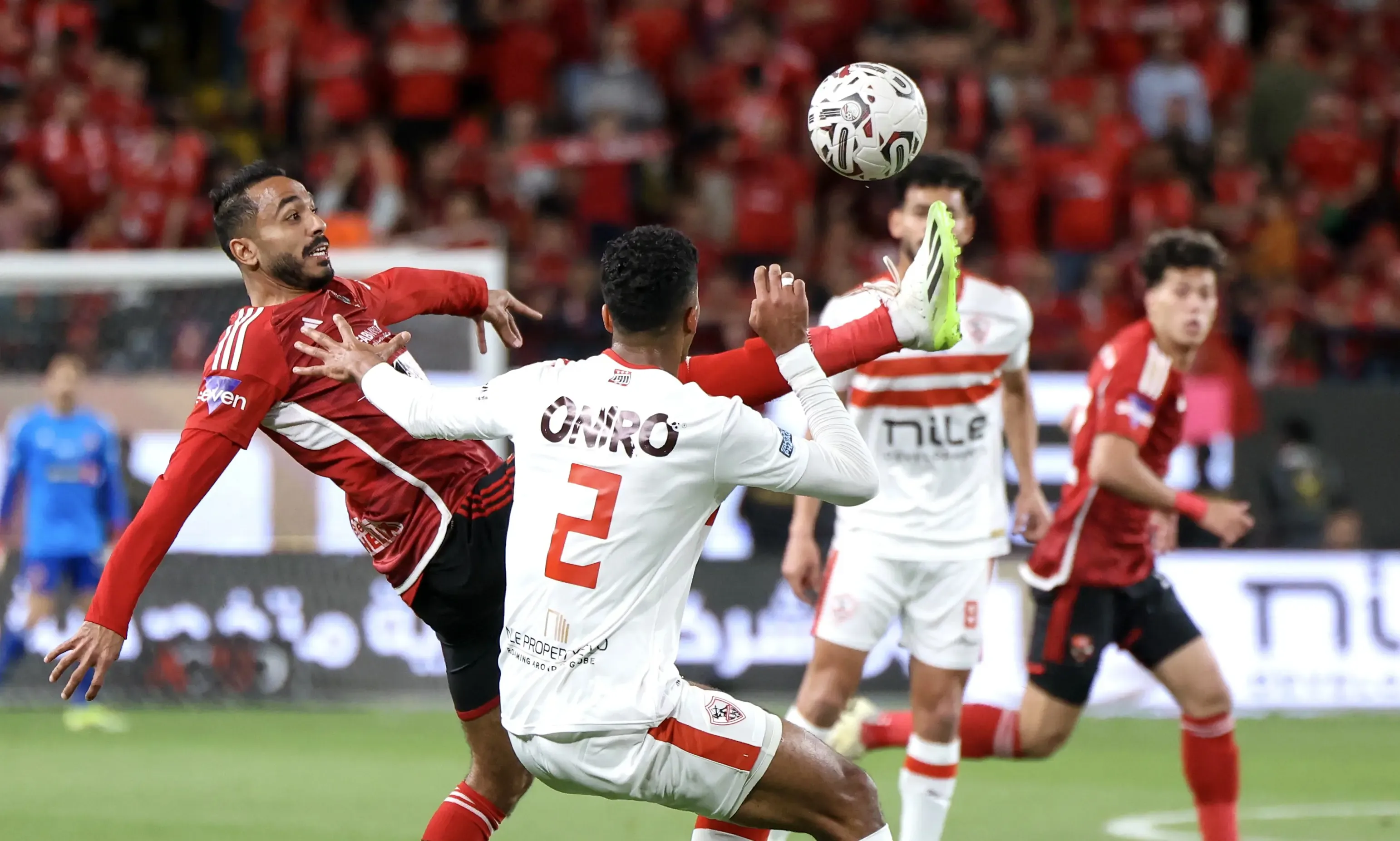
Across Africa, football derbies are more than games—they drive local economies, unite communities, and shape urban culture. From Lagos to Soweto, their impact is clear, but their full potential remains untapped. With smart investment and planning, these passionate events can fuel sustainable growth across the continent.
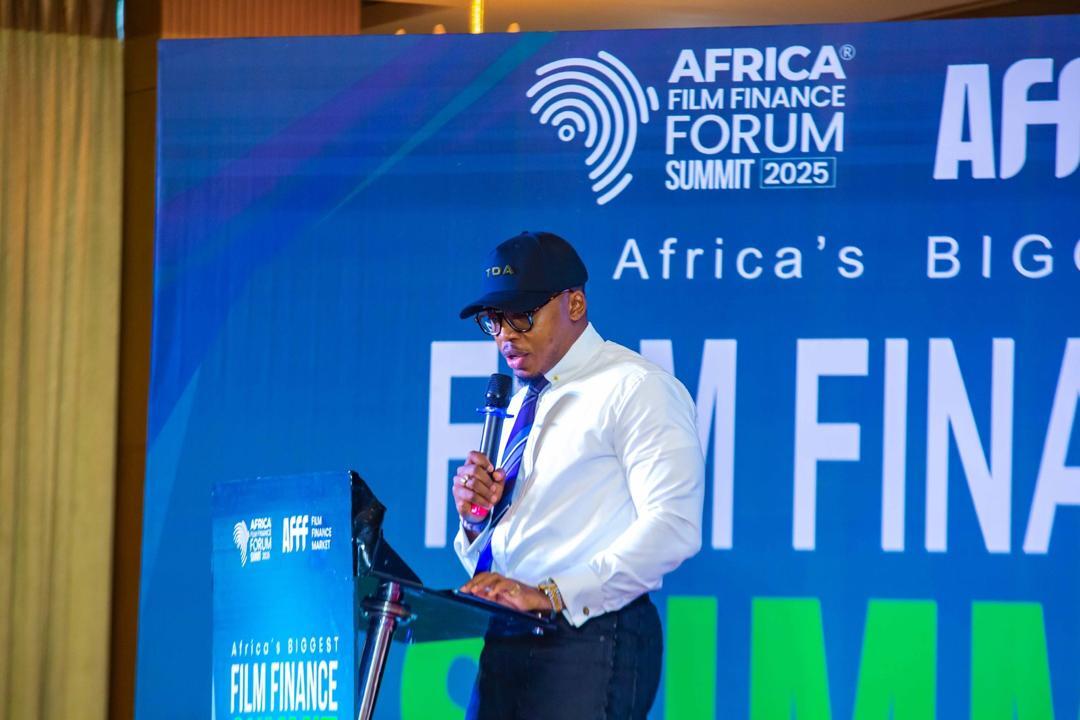
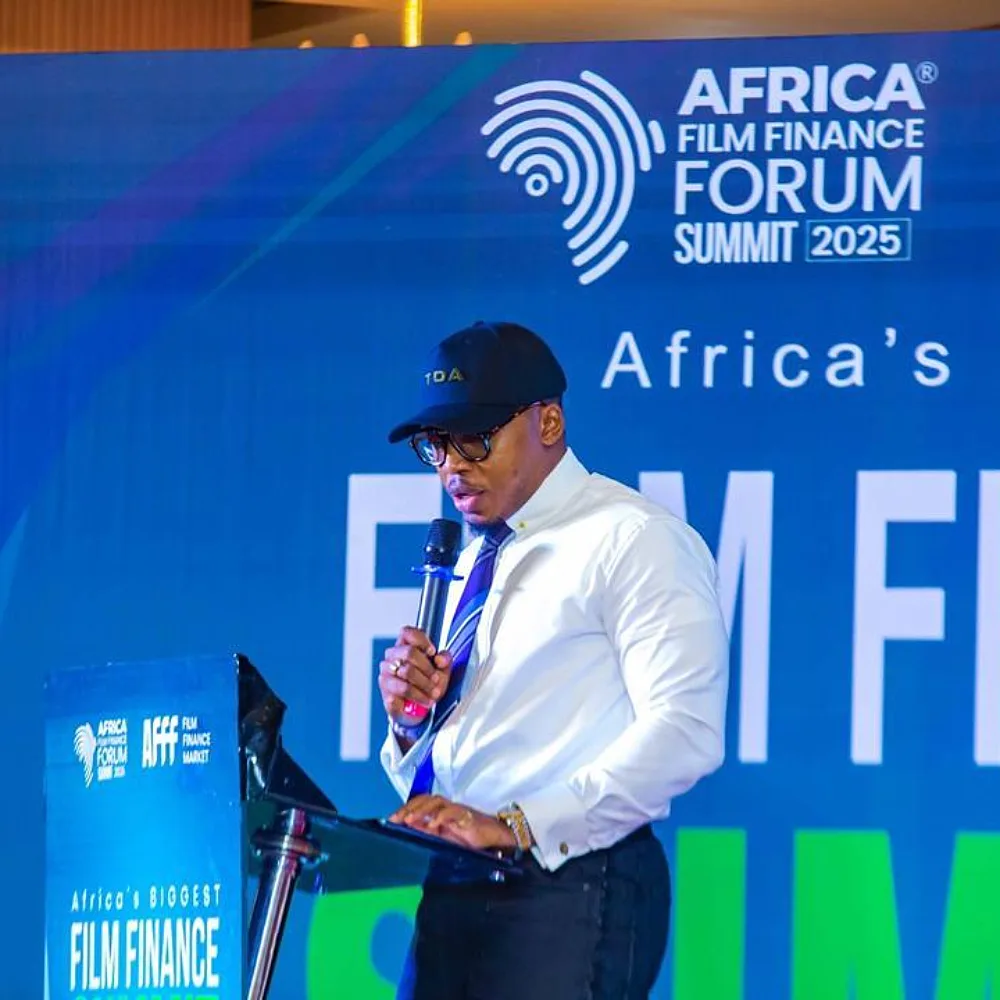
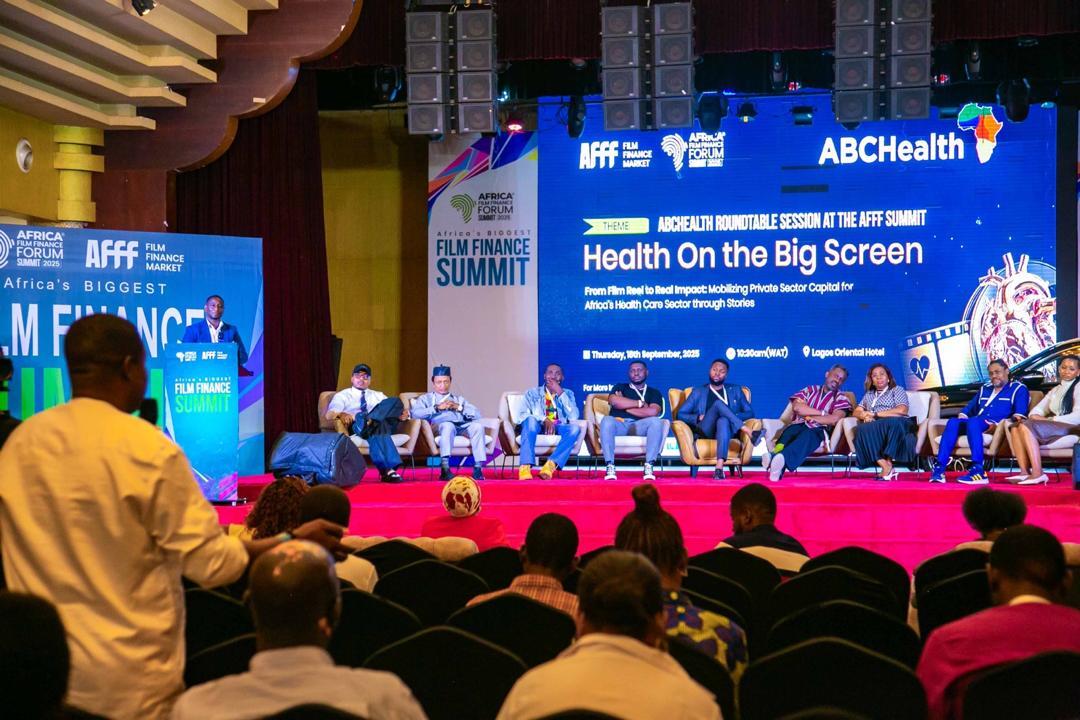
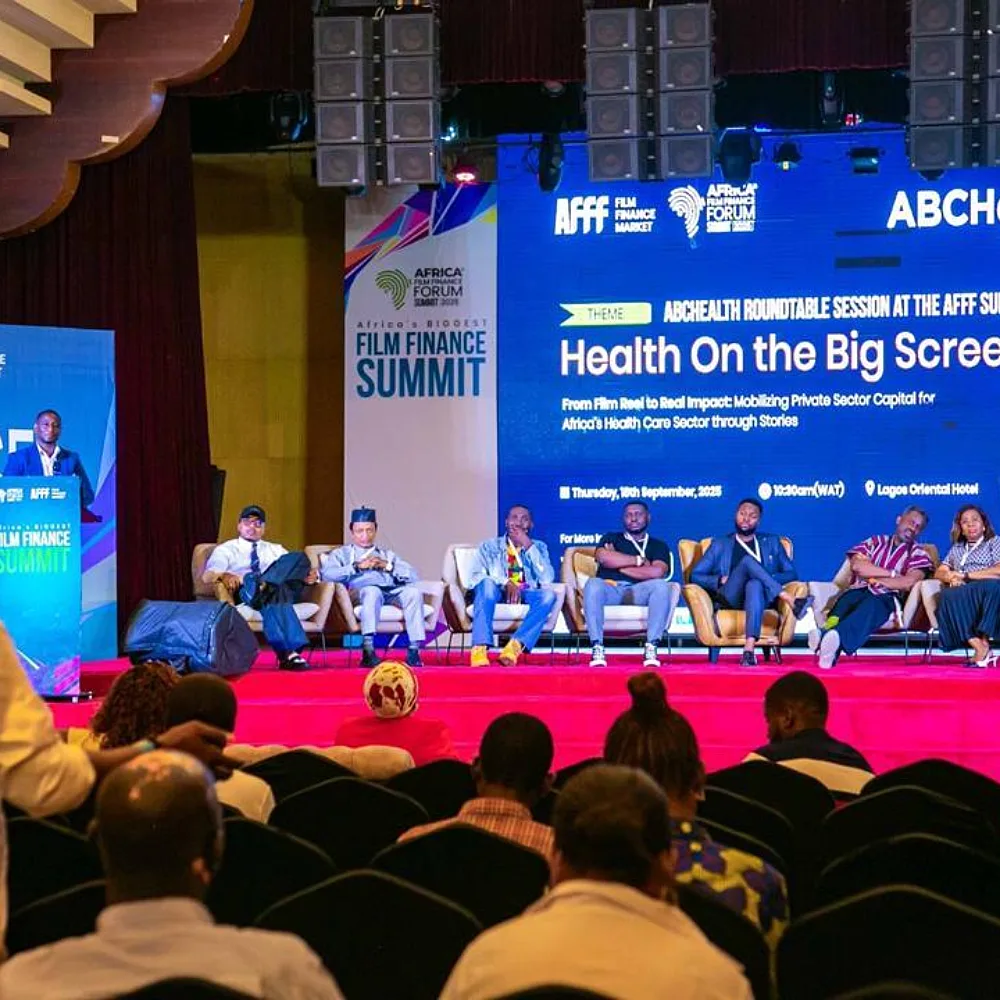
At the ABC Health session of the Africa Film Finance Forum, Omobolanle Victor-Laniyan and Dr. Chinonso Egemba showed how African cinema can move beyond awareness to mobilise private capital, reshape healthcare, and turn stories into investable solutions
Across Africa, football derbies are more than games—they drive local economies, unite communities, and shape urban culture. From Lagos to Soweto, their impact is clear, but their full potential remains untapped. With smart investment and planning, these passionate events can fuel sustainable growth across the continent.
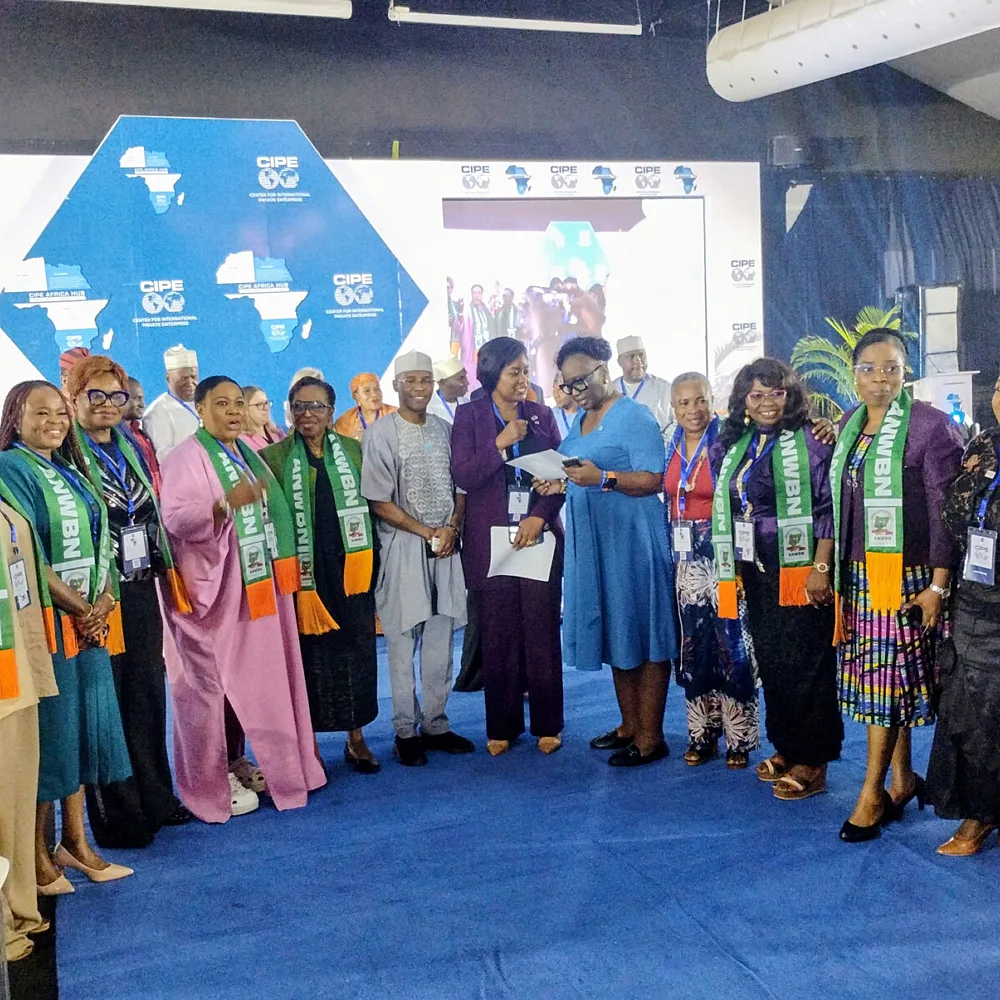
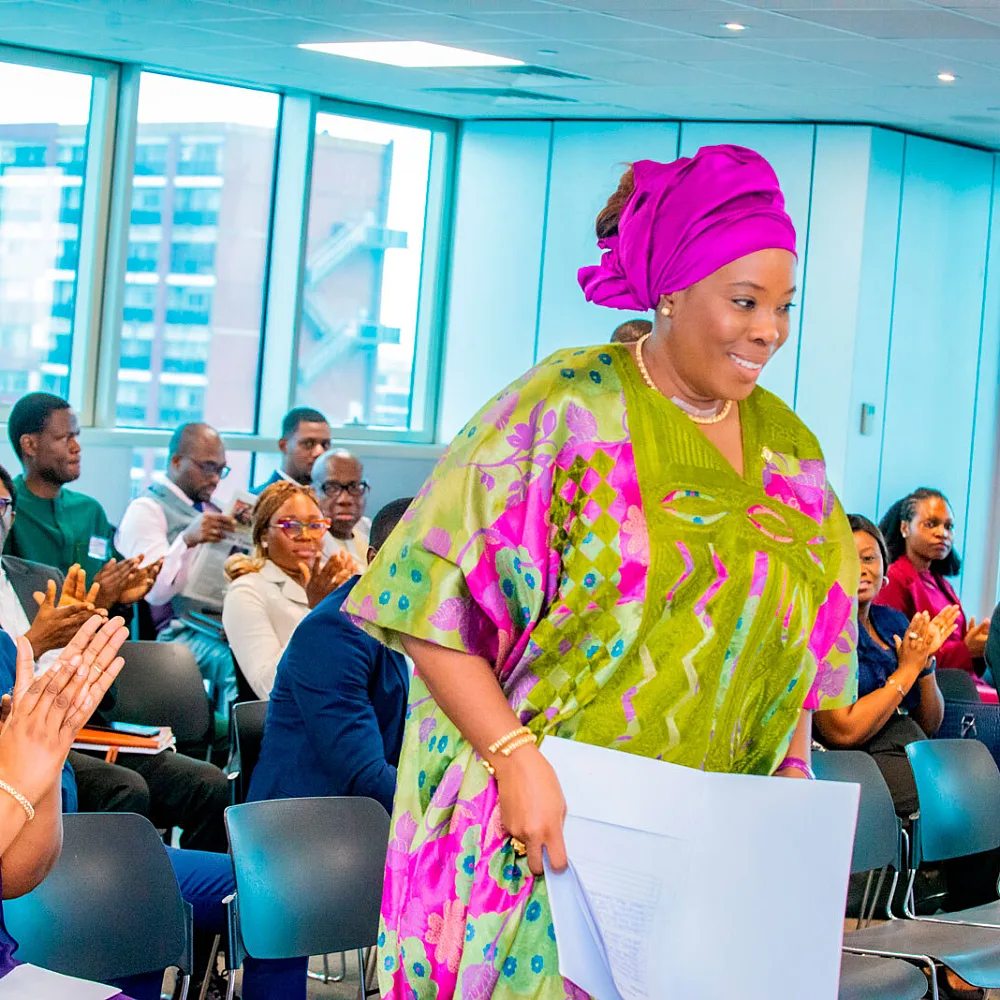
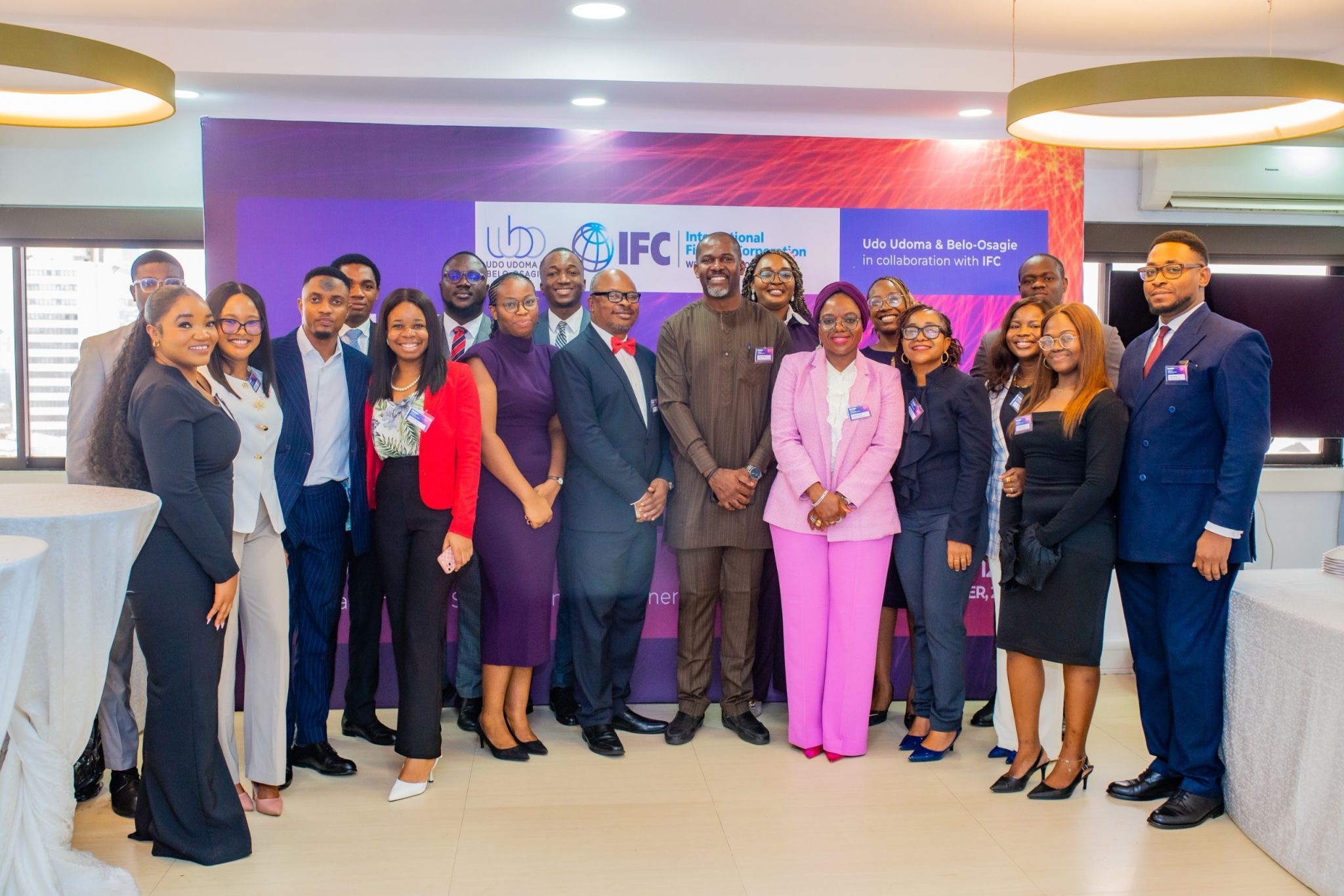
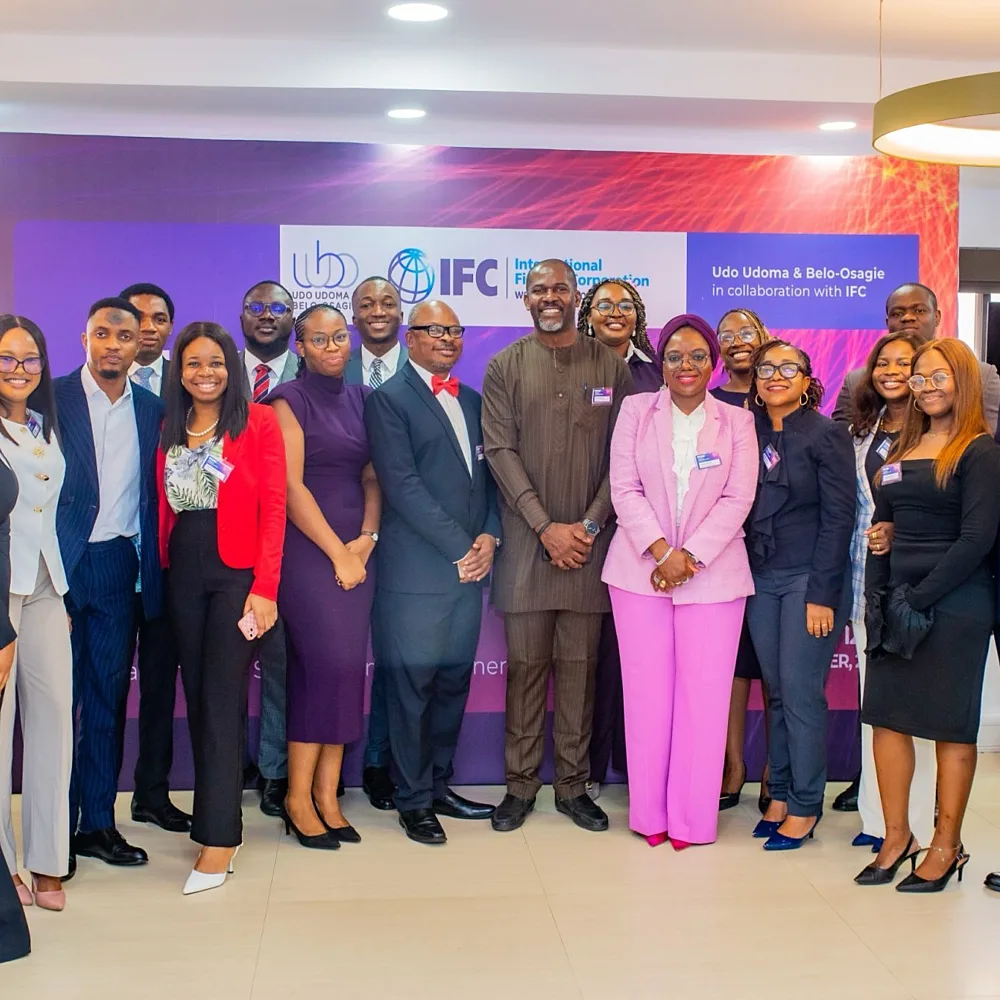
At UUBO’s Energy & Infrastructure Breakfast Session 2.0, sector leaders outlined how disciplined governance, local-currency finance, and scalable structures can unlock bankable renewable projects to power Nigeria’s clean energy future.
Africa’s energy transition is often framed as a financing challenge. While capital remains essential, it cannot compensate for weak governance, poor stakeholder engagement or businesses that fail to earn public trust. ESG is no longer a corporate buzzword; it is becoming a strategic advantage for African energy companies seeking to attract investment and deliver sustainable growth.
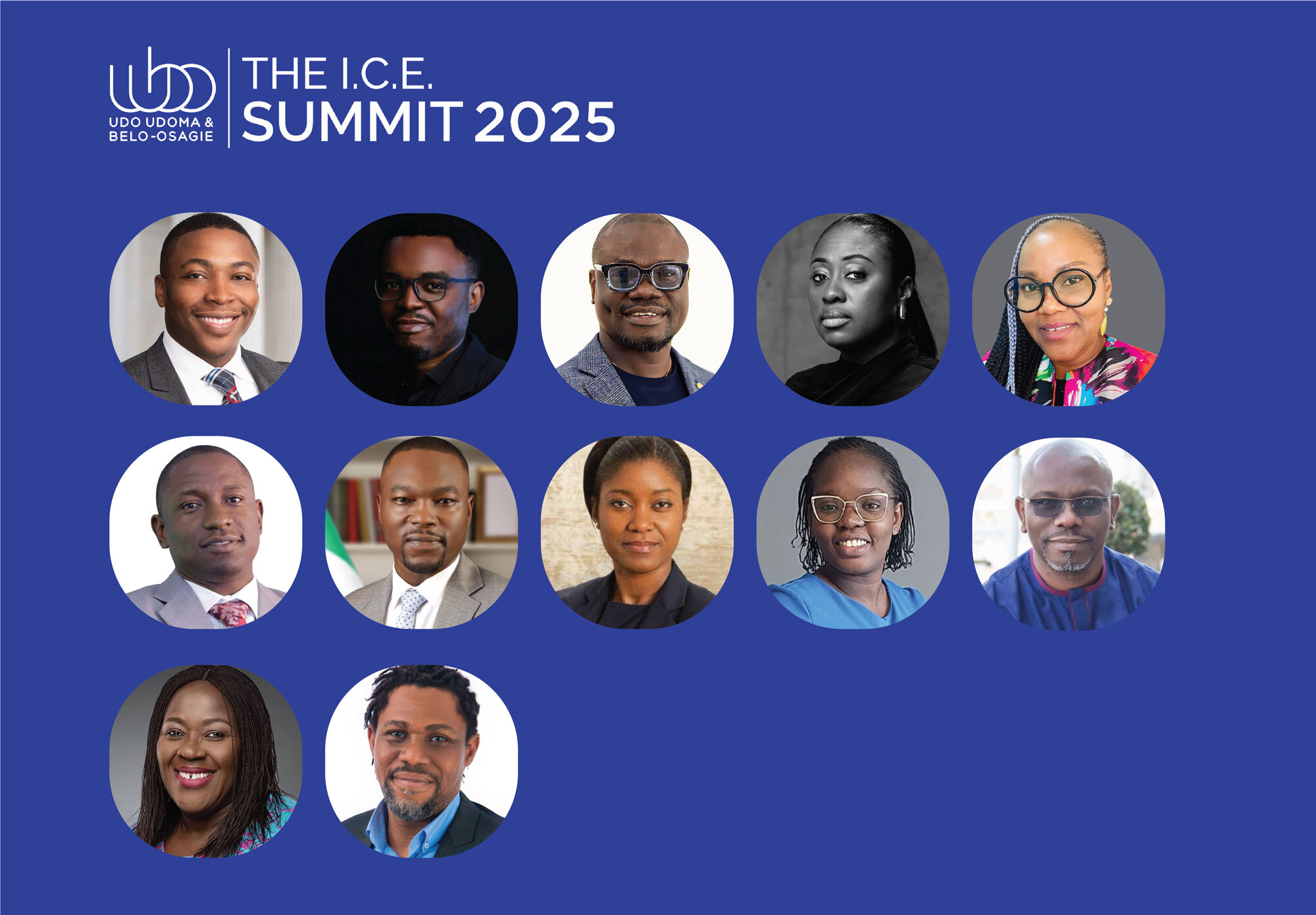
At UUBO ICE 2025, experts urged Nigerian firms to craft authentic, locally grounded ESG frameworks—focusing on proportionality, governance, and practical data—rather than copying foreign templates, to build resilience and credibility.
At UUBO’s Energy & Infrastructure Breakfast Session 2.0, sector leaders outlined how disciplined governance, local-currency finance, and scalable structures can unlock bankable renewable projects to power Nigeria’s clean energy future.
Forbes has named Damilola Ogunbiyi, CEO of SEforALL and UN Special Representative, to its 2025 Sustainability Leaders list, recognising her global impact in advancing energy access, climate action, and equitable development.

Africa’s energy transition is often framed as a financing challenge. While capital remains essential, it cannot compensate for weak governance, poor stakeholder engagement or businesses that fail to earn public trust. ESG is no longer a corporate buzzword; it is becoming a strategic advantage for African energy companies seeking to attract investment and deliver sustainable growth.
At UUBO ICE 2025, experts urged Nigerian firms to craft authentic, locally grounded ESG frameworks—focusing on proportionality, governance, and practical data—rather than copying foreign templates, to build resilience and credibility.
At the ABC Health session of the Africa Film Finance Forum, Omobolanle Victor-Laniyan and Dr. Chinonso Egemba showed how African cinema can move beyond awareness to mobilise private capital, reshape healthcare, and turn stories into investable solutions
Nigeria’s state-level electricity markets, enabled by the 2023 Electricity Act, are opening new frontiers for power investment—where patient capital, strong partnerships, and tailored local strategies are key to unlocking long-term opportunities.
Forbes has named Damilola Ogunbiyi, CEO of SEforALL and UN Special Representative, to its 2025 Sustainability Leaders list, recognising her global impact in advancing energy access, climate action, and equitable development.
Leaders argue that African films can turn empathy into investment by framing health care as both a market opportunity and a social imperative, mobilising private capital for long-term reform at the Africa Film Finance Forum.
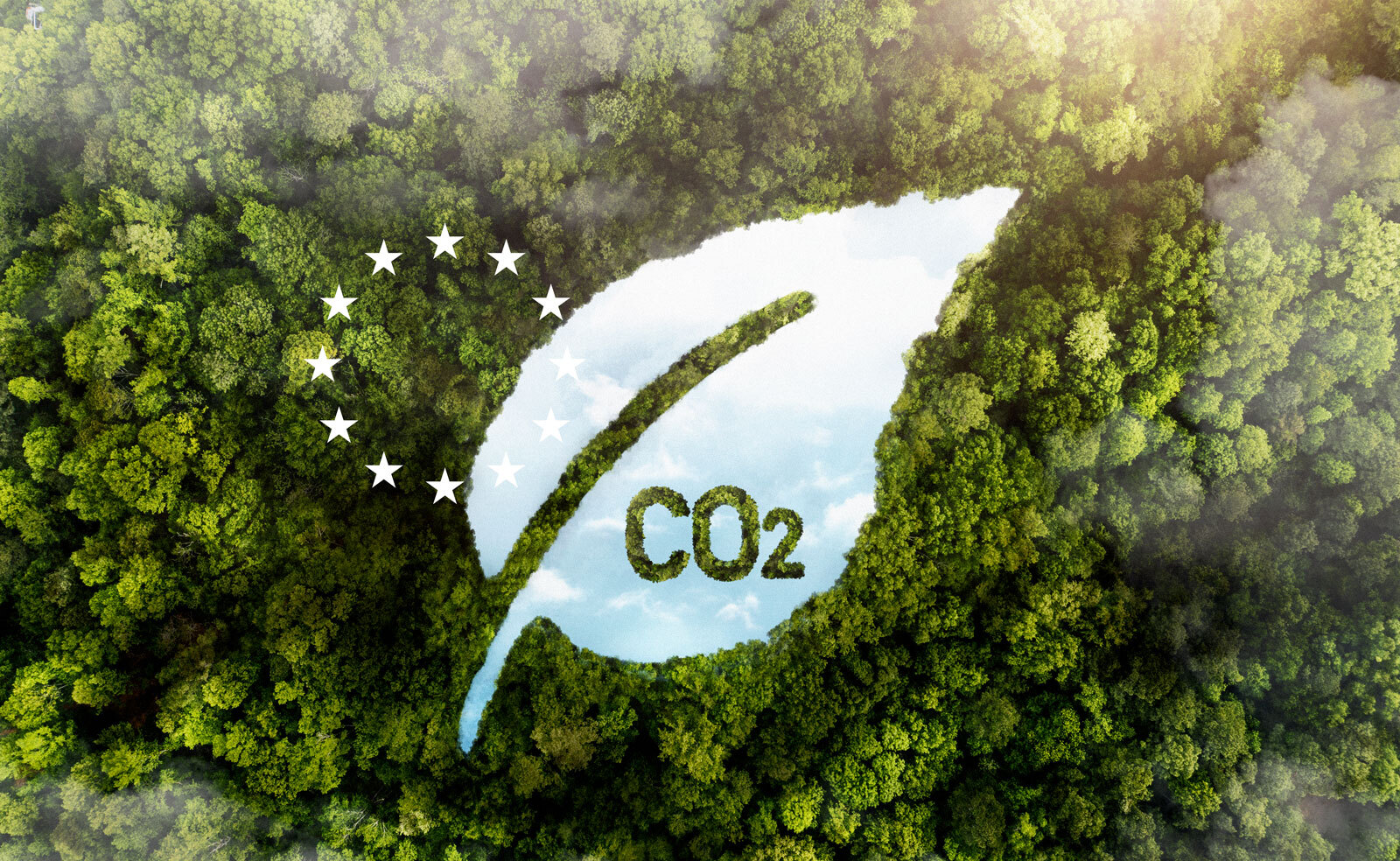
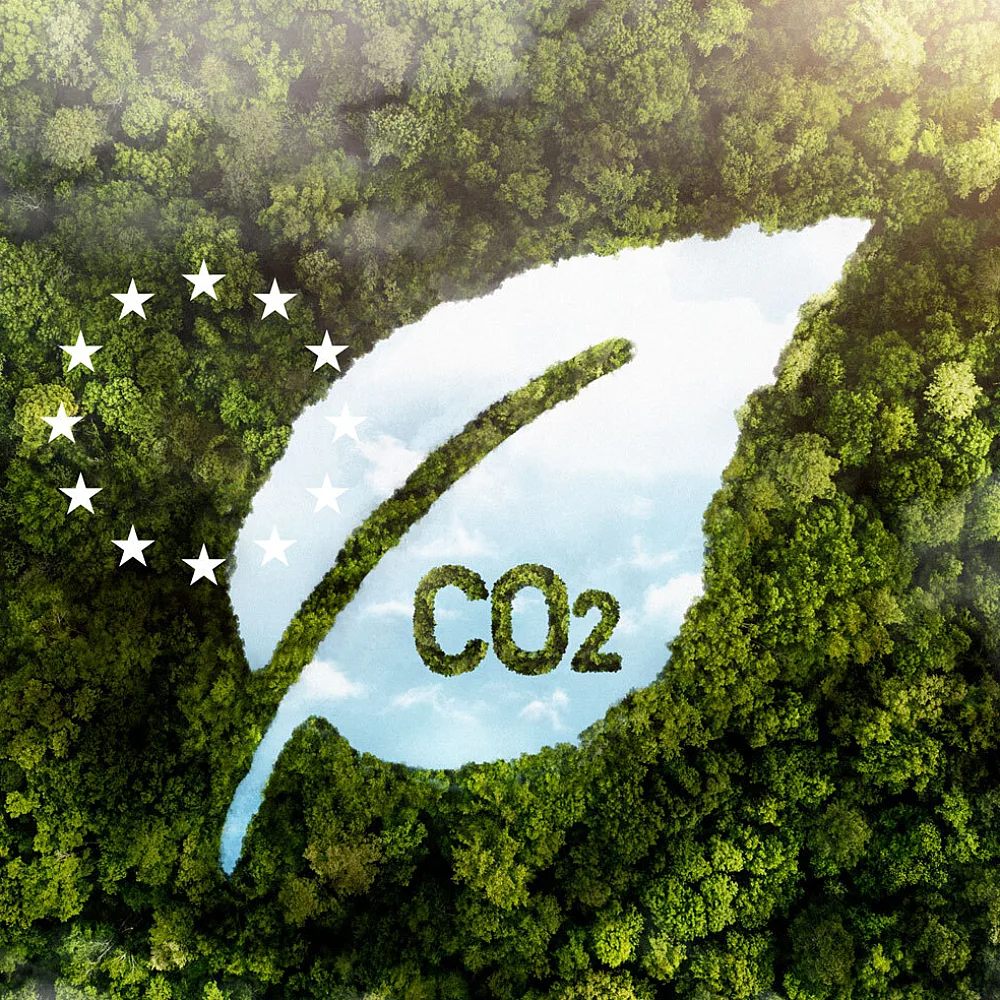
Africa’s exporters face a carbon reckoning as the EU’s 2026 CBAM reforms make carbon intensity a key trade factor, pushing industries to decarbonize, adopt renewable energy, and turn climate regulation into a driver of green competitiveness and industrial transformation
Leaders argue that African films can turn empathy into investment by framing health care as both a market opportunity and a social imperative, mobilising private capital for long-term reform at the Africa Film Finance Forum.
Nigeria’s state-level electricity markets, enabled by the 2023 Electricity Act, are opening new frontiers for power investment—where patient capital, strong partnerships, and tailored local strategies are key to unlocking long-term opportunities.
Africa’s energy transition is often framed as a financing challenge. While capital remains essential, it cannot compensate for weak governance, poor stakeholder engagement or businesses that fail to earn public trust. ESG is no longer a corporate buzzword; it is becoming a strategic advantage for African energy companies seeking to attract investment and deliver sustainable growth.

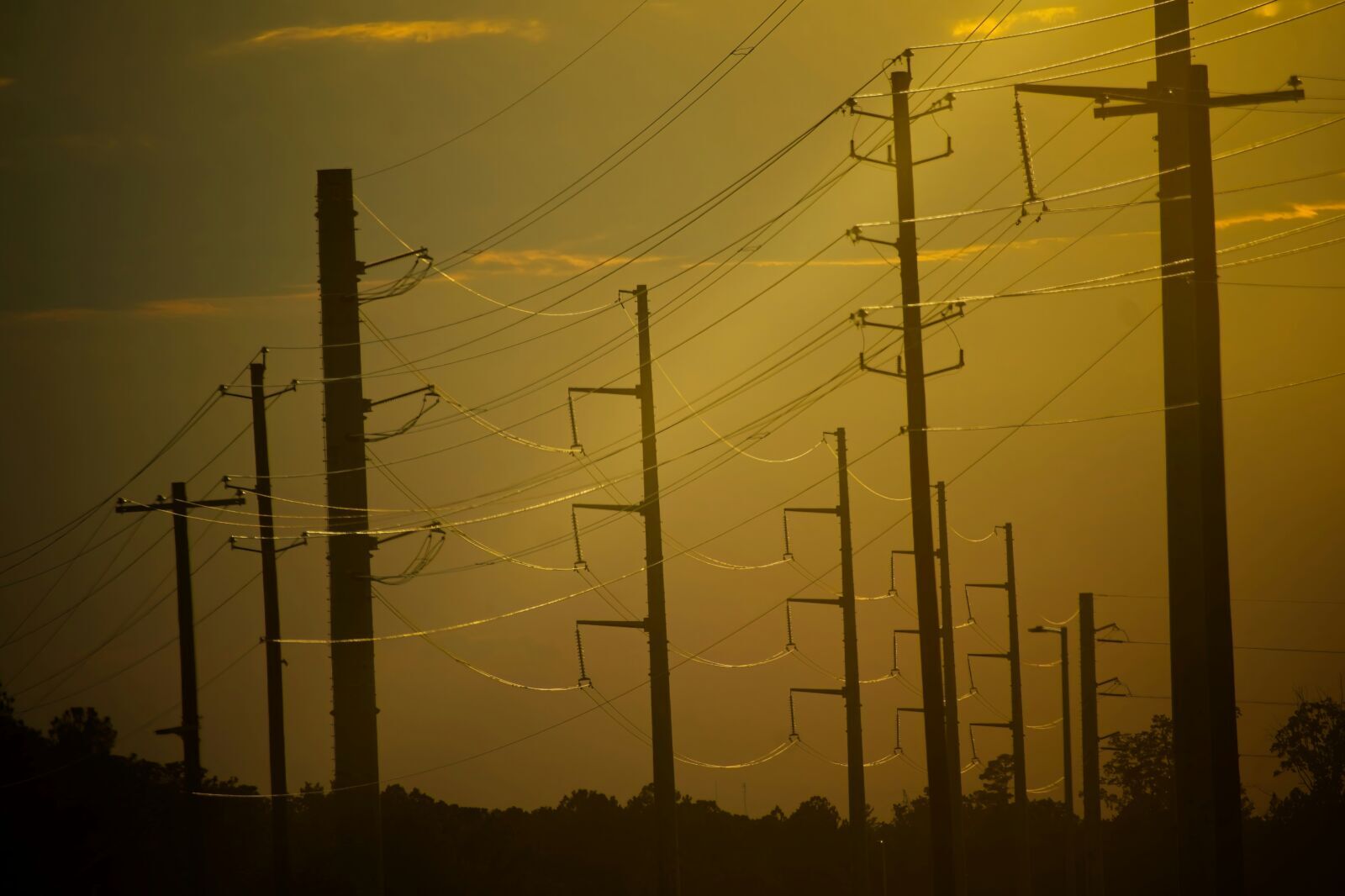
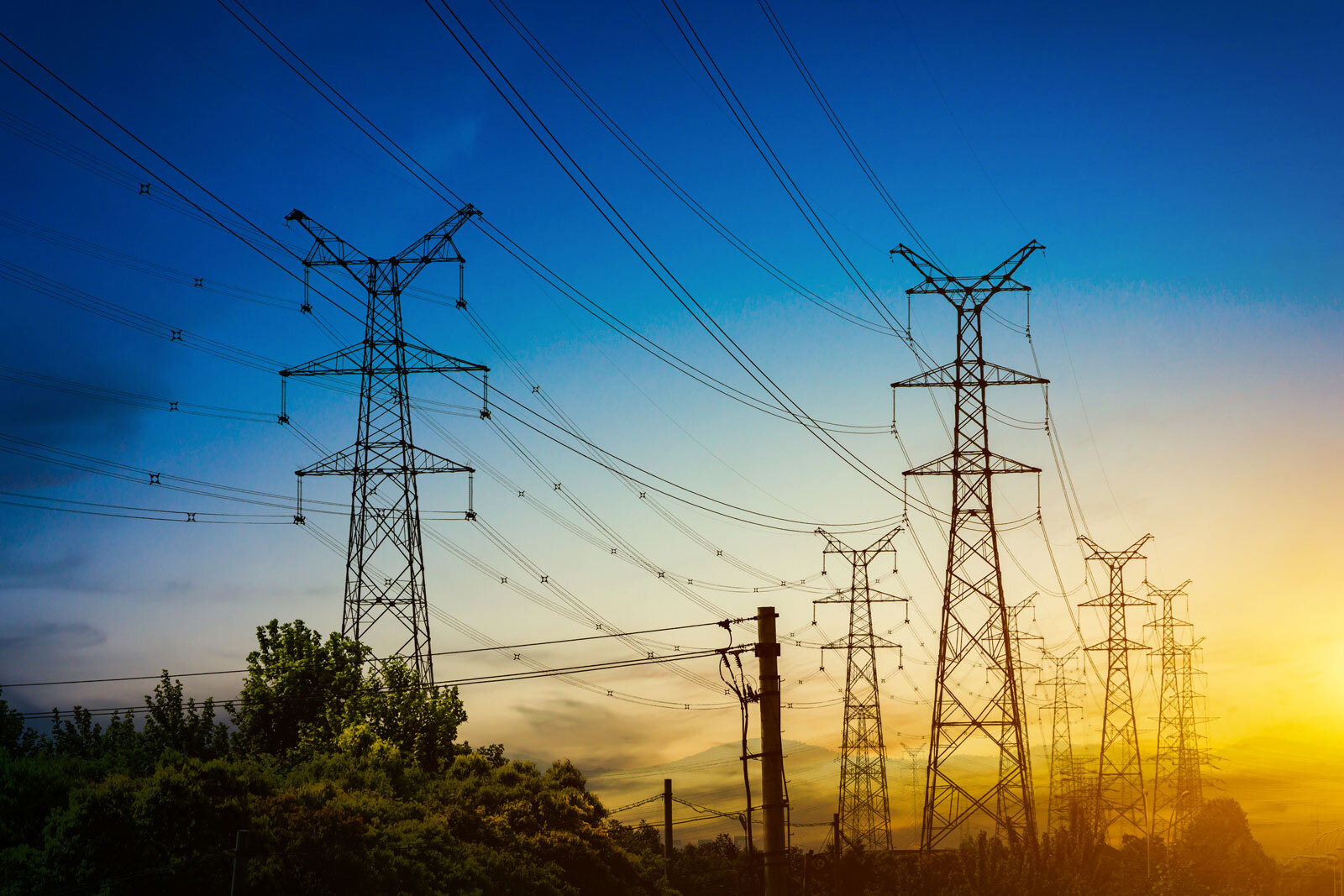
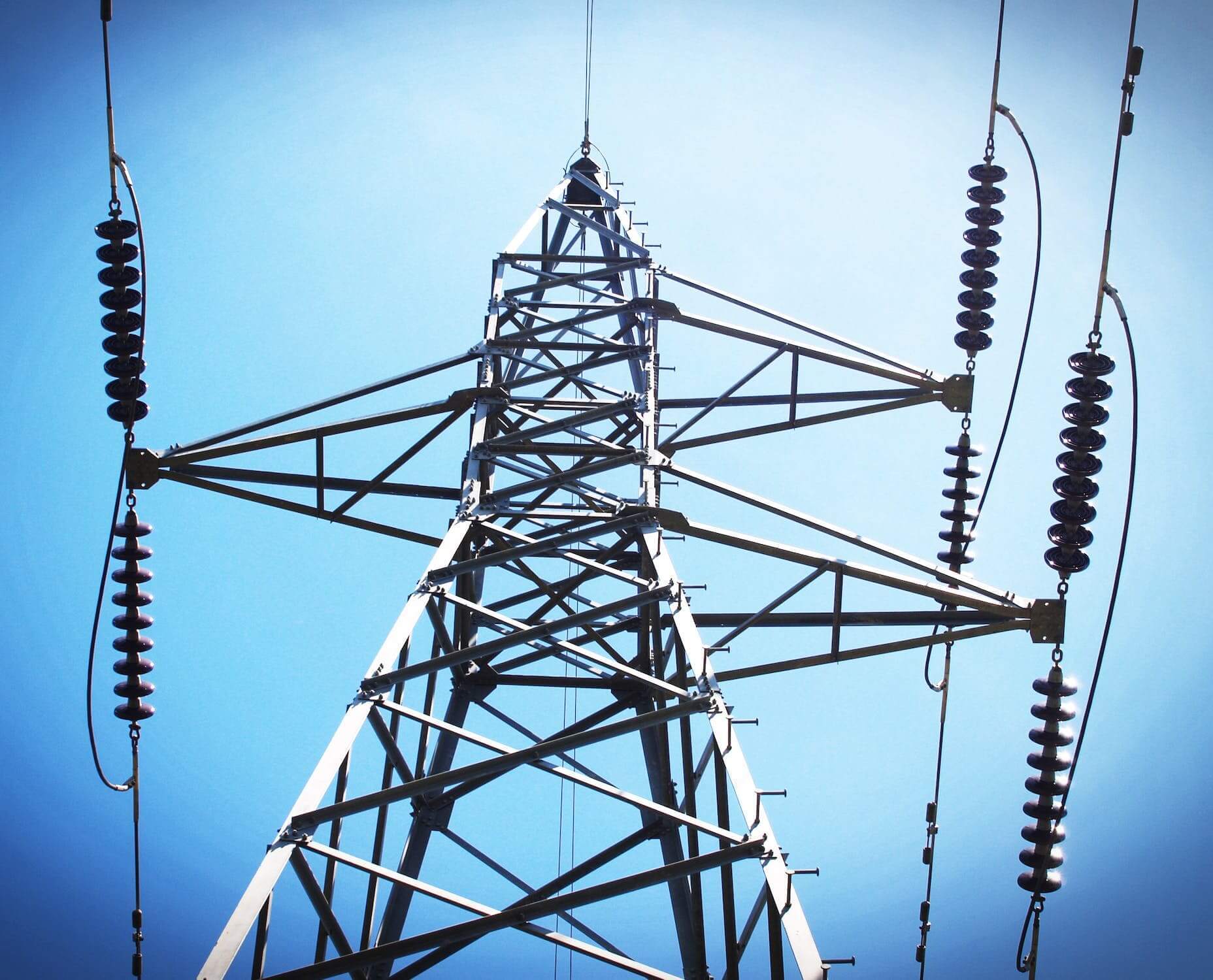
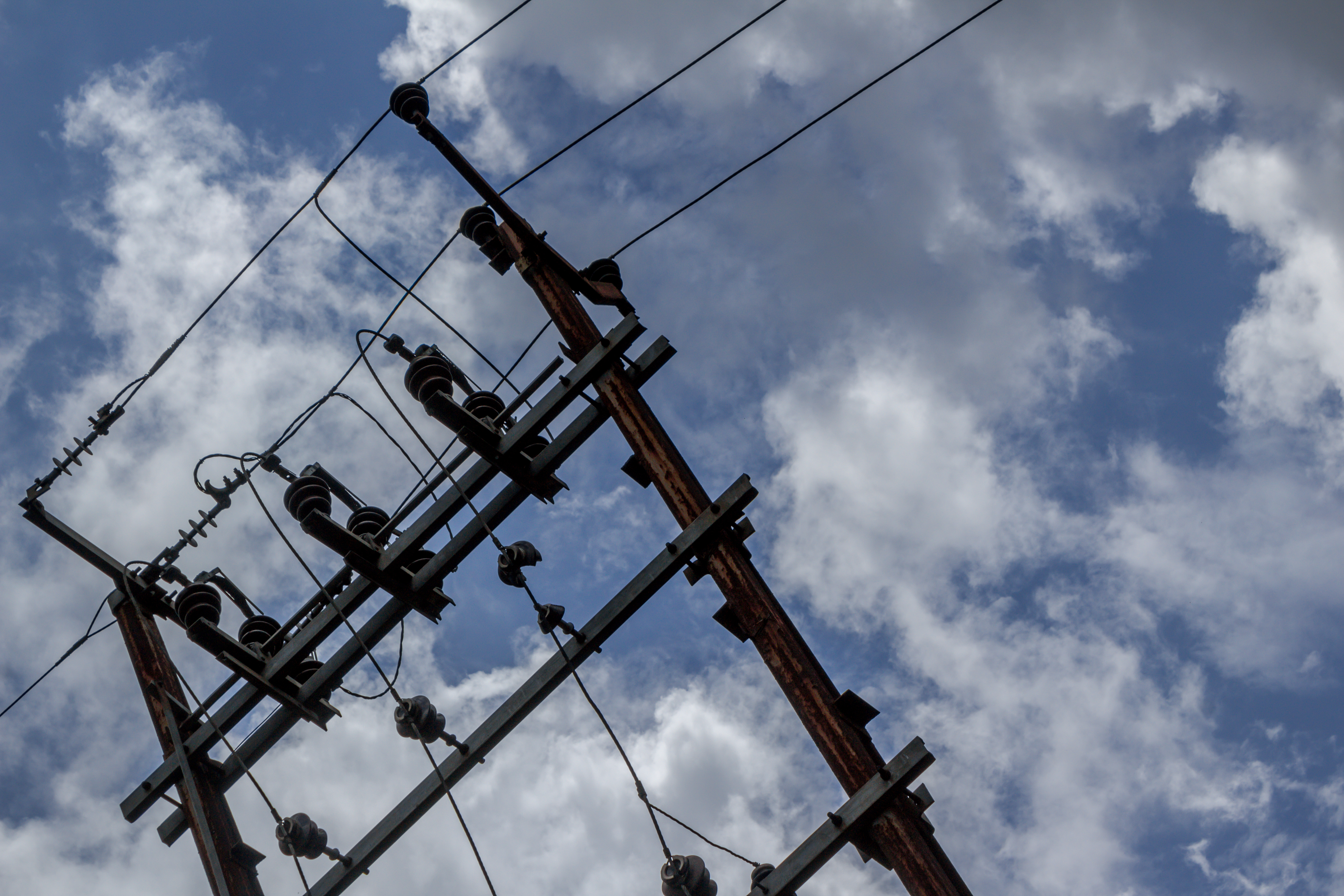
Nigeria's electricity system endures chronic outages despite hydrocarbon wealth, demanding strategic reforms in grid, regulation and investment to secure reliable, inclusive, climate-aligned power.

Start typing to search...