The African Development Bank and Morocco’s Fonds d’équipement communal have signed a second €150 million municipal-development financing agreement.
A modelling study says a sugary-drink tax that raises prices by 20% could prevent hundreds of thousands of disease cases in Egypt.
The African Development Bank has approved a €100 million loan to Gotion Power Morocco for an integrated gigafactory for lithium iron phosphate batteries.
The African Development Bank and Biovac have signed a financing agreement of up to $15 million for a new multi-vaccine facility in Cape Town.
She arrived to fix a station's books and stayed to rewrite its identity. Adedoja Allen, the first woman to lead a Nigerian electronic media platform, turned a debt-ridden broadcaster into Lagos's number one lifestyle station.
Climate damage and the net-zero transition are beginning to alter inflation, growth and the choices facing central banks, according to two NGFS reports.
Nigeria needs roughly ten times its current annual power-sector investment to close its electricity gap and support industry, Sadiq Wanka said.
Sahara Group has urged African journalists to test imported assumptions and explain the trade-offs shaping the continent's energy transition.
Sustainability responsibility must move beyond specialist teams and into the offices that allocate capital, value assets and manage enterprise risk, ISSB chair Emmanuel Faber has said.
Climate change and the net-zero transition are increasingly shaping inflation, output and the trade-offs confronting monetary policymakers, two NGFS reports have warned.
Rainfall, temperature and vegetation shape malaria transmission across sub-Saharan Africa in delayed, nonlinear ways, a major multi-country study has found.
Human-rights abuse allegations linked to African transition-mineral mines rose 122% to 100 cases in 2025, according to the Business & Human Rights Resource Centre.
A budget is not cost control. It is the starting hypothesis against which scope, time, resources and risk must be managed. A 2026 project cost guide sets out four steps: plan resources, estimate costs, determine the budget and control spending.

Waiting for ideal funding, perfect certainty or complete support can become a respectable form of inaction.

Several IFRS amendments became effective on 1 January 2026, while IFRS 18 will replace IAS 1 from 2027 and require the preceding-year comparative amounts. That makes 2026 an implementation year, not a waiting period.

Global private capital fundraising fell 13.3% in 2025 to $1.254 trillion, extending a reset shaped by weak distributions and investor caution. Real assets and secondaries moved against the decline.
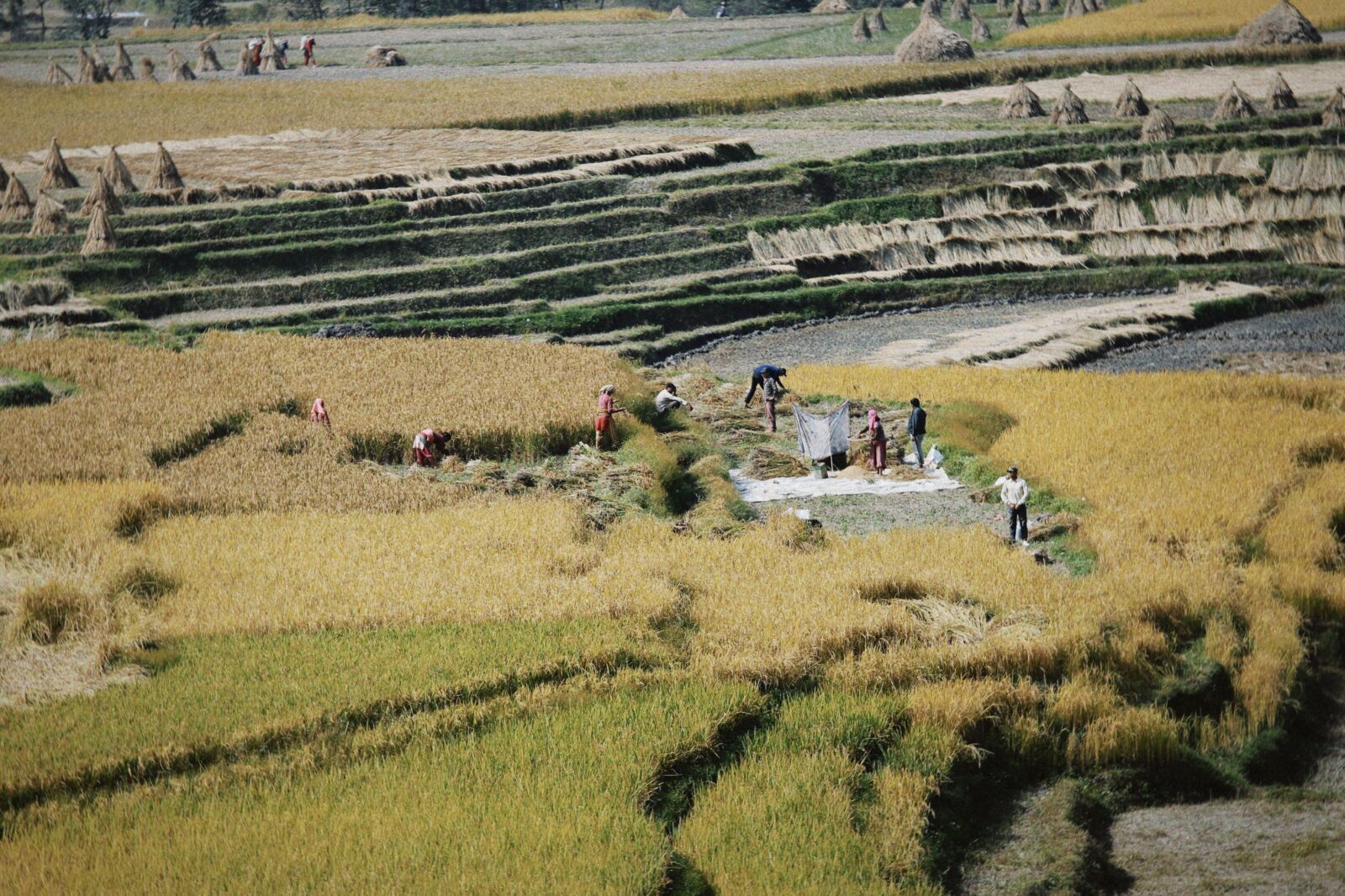
Nature-related reporting has moved quickly from specialist discussion to a market practice backed by organisations representing more than $20 trillion in assets under management.
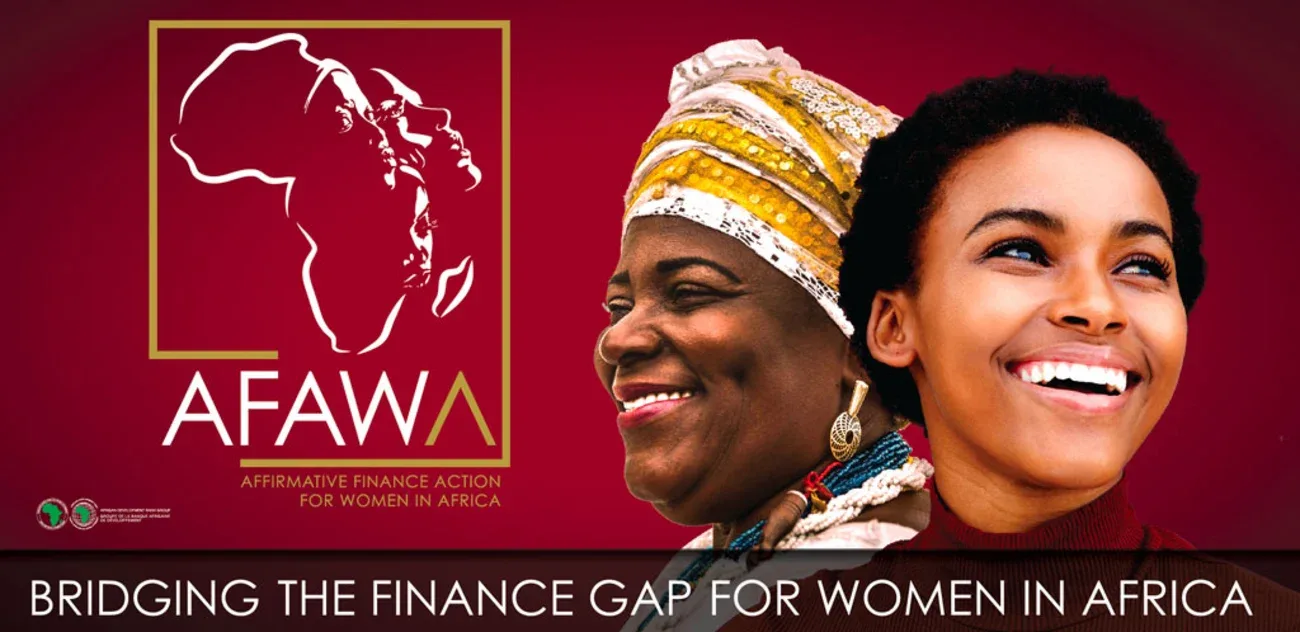
Africa’s women entrepreneurs are not short of ambition; they are short of finance structured around how their businesses actually grow.

Flood, heat, drought and wildfire are moving from sustainability reports into balance sheets, insurance negotiations and board accountability.

Electric baggage tractors and aircraft service vehicles can cut apron emissions and improve working conditions, but buying vehicles is the easy part.

FinPolNomics presents credit risk as a connected system rather than a single approval decision. Default and concentration risks, macroeconomic pressures, expected loss, exposure limits, financial ratios, stress tests and disciplined underwriting must work together to protect capital.
Capital is not Africa's only energy-financing constraint. At Asharami Square 3.0 in Lagos, financiers, regulators and journalism leaders argued that domestic money can move when projects are prepared, risks are disclosed, and contracts are trusted.

FinPolNomics argues that FP&A’s hardest skill is not Excel but judgment. Models calculate; judgment separates noise from signal, challenges assumptions and turns financial movements into decisions.
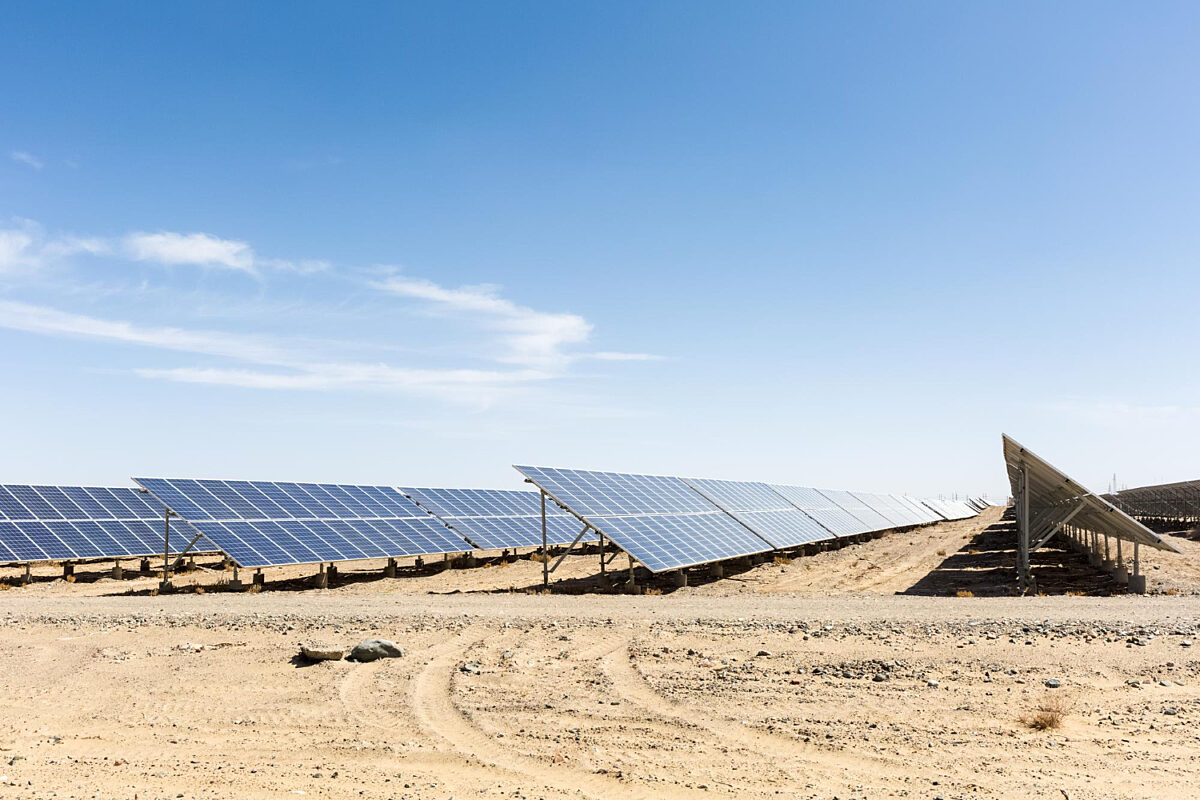
Africa’s energy transition is often framed as a financing challenge. While capital remains essential, it cannot compensate for weak governance, poor stakeholder engagement or businesses that fail to earn public trust. ESG is no longer a corporate buzzword; it is becoming a strategic advantage for African energy companies seeking to attract investment and deliver sustainable growth.
Deloitte's Bridging the Climate Finance Gap report (January 2026) flags a critical figure: $472 billion, the maximum annual sum Article 6-enabled, harmonised carbon markets could deliver by 2035.
The WEF's June 2026 report identifies five tailwinds and five headwinds shaping the Regenerative Blue Economy. For Africa, the message is urgent: today's choices could unlock trillion-dollar regenerative industries, or entrench decline for ecosystems supporting hundreds of millions.
Over 600 million Africans live in cities facing rising temperatures, rapid urbanisation, and strained electricity grids. Growing demand for cooling is driving a surge in individual air conditioners, worsening peak-load stress, urban heat islands, and household energy costs.
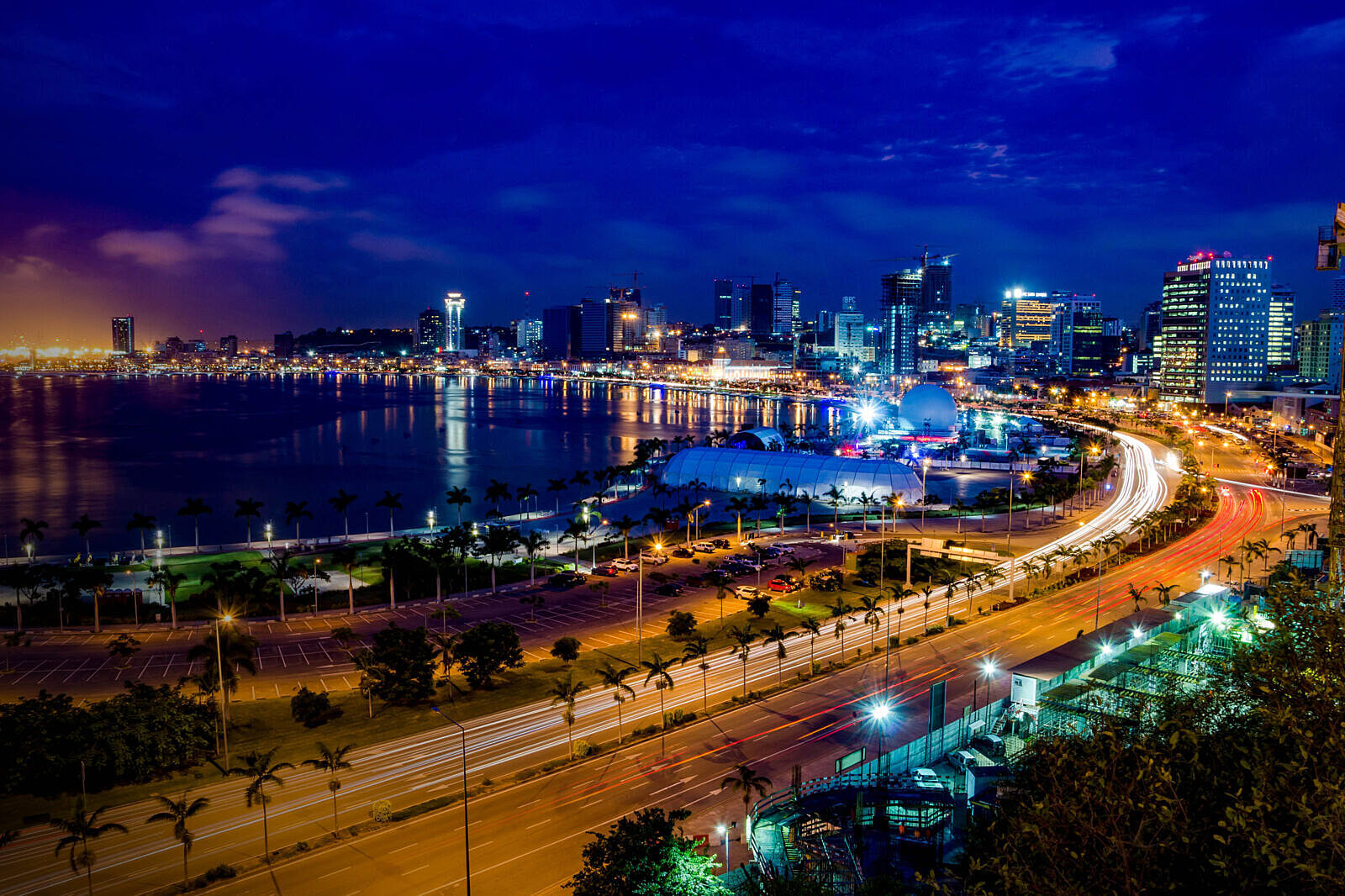
Africa’s climate and development story is still too often framed elsewhere, through crisis, compliance and risk, while African evidence, innovators and communities remain supporting characters.

Global business has not retreated from sustainability: 92% of leaders expect competitive advantage, while 89% maintained or increased climate-related investment.

The Future Action Summit (FAS) Thailand 2025, organized by the global youth-led organization Echo Change, is a four-day international summit distinct from the UN's "Summit of the Future" that convened in September 2024. FAS Thailand is specifically designed as a launchpad for youth-led action, driving tangible progress towards the United Nations Sustainable Development Goals (SDGs).
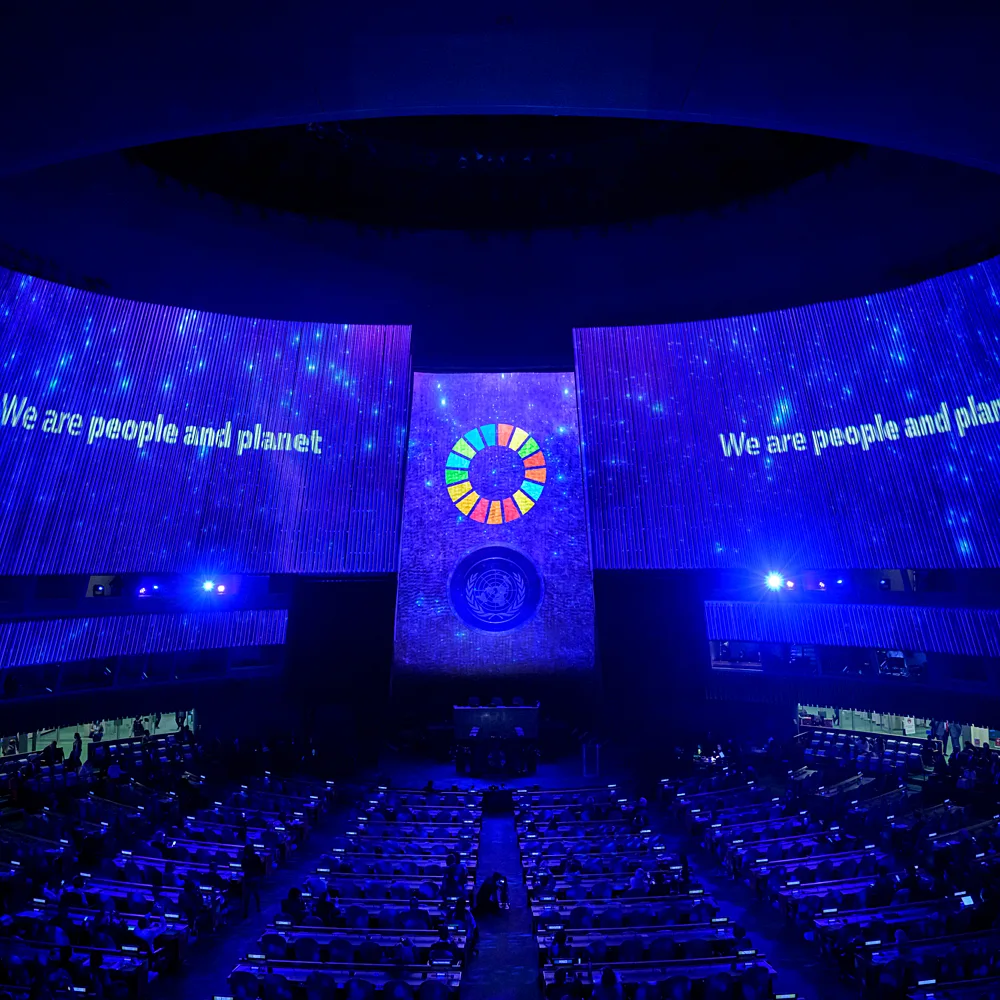
New York City hosts the UNGA High-Level Week and Global Goals Week, bringing together world leaders, civil society, business, academia, and youth with a unified focus on accelerating progress towards the Sustainable Development Goals (SDGs) and fostering a more sustainable future.

ICSD 2025 brings together global experts to align research, policy, and practice around key SDGs. Focused on interdisciplinary solutions, with emphasis on education and capacity and building for sustainable progress by 2030.
The largest global climate convening of the year, aligning with UNGA 80 and Global Goals Week to accelerate climate solutions through over 900 events; with an am of shifting climate discourse from problem awareness to practical implementation, emphasising economic opportunity, innovation, and cross-sector collaboration.
A quadrennial global gathering of conservation leaders, policy‑makers, Indigenous Peoples, and innovators, convening to shape the global nature agenda through bold themes, science, equity, and collective action.
A premier annual gathering in Berlin, bringing together global leaders across politics, science, business, and civil society to shape the future of health under the theme “Taking Responsibility for Health in a Fragmenting World.”

A dynamic one-day festival uniting global innovators and leaders in Vienna to showcase and accelerate climate‑tech solutions—from startups to researchers—culminating in the Climate Launchpad 2025 Global Grand Final.
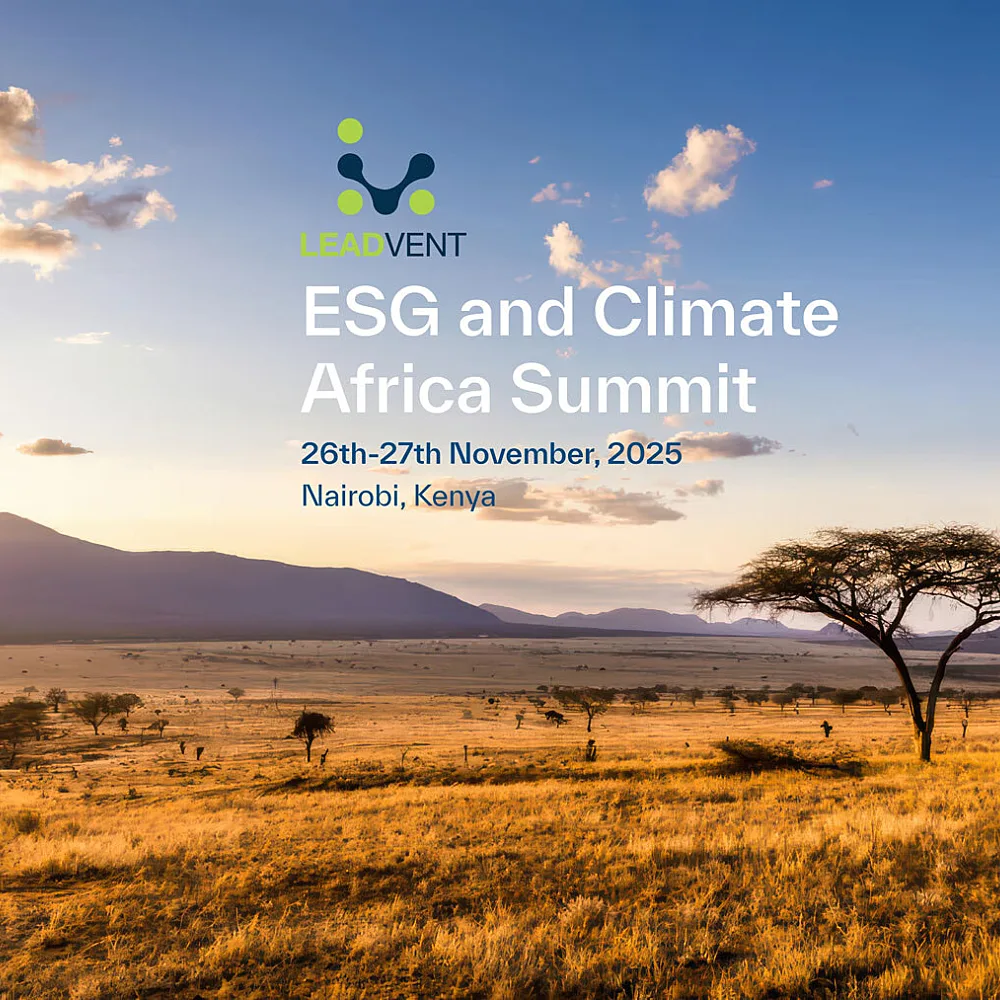
Bringing together Africa’s sustainability ecosystem. This hybrid gathering is tailored for policymakers, investors, corporate leaders, and NGOs, focusing on ESG frameworks, climate finance, and sustainable innovation to drive Africa’s green transition.
Summary and evidence-based insights into corporate, government, and organisational sustainability disclosures across Africa, highlighting achievements, uncovering gaps, and spotlight opportunities for progress.